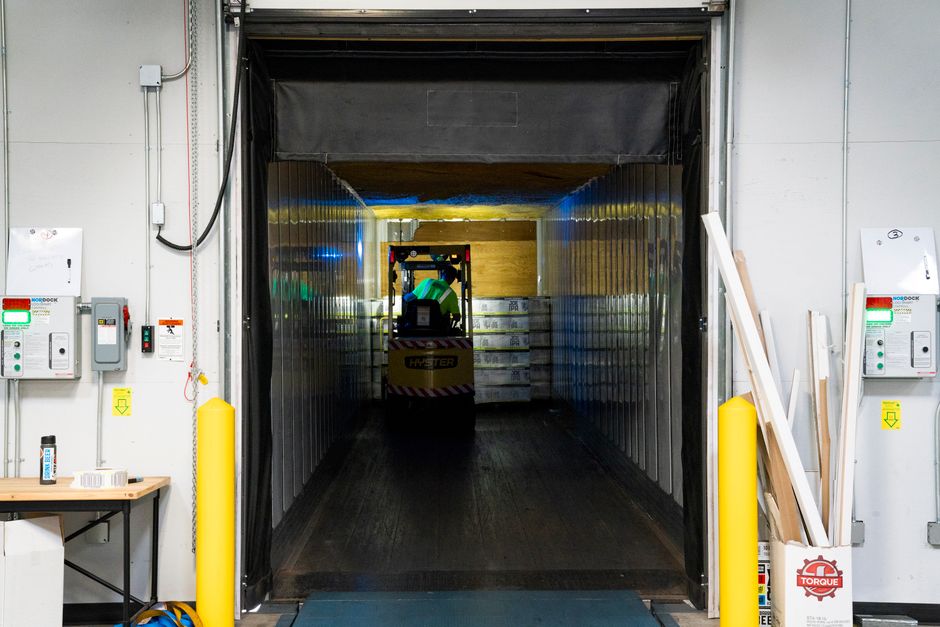
Introduction to Cold Storage Material Handling
Cold storage facilities operate in extreme temperatures, often ranging from -30°C to 5°C. Material handling equipment in these environments must be specially designed to withstand freezing conditions, maintain reliability, and ensure worker safety. This guide explores the various solutions available for cold storage material handling, from forklifts to conveyors, and provides practical tips for optimizing your operations.
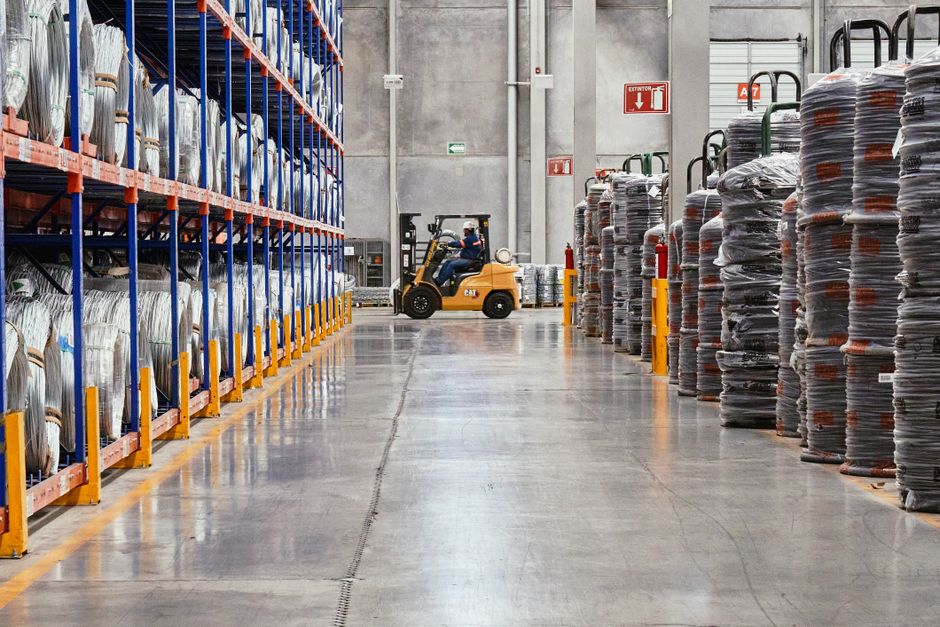
Challenges of Material Handling in Cold Storage
Cold environments present unique challenges that affect equipment performance and longevity:
- Battery Performance: Standard lead-acid batteries lose capacity quickly in freezing temperatures. Lithium-ion batteries with built-in heating systems are a better choice.
- Lubrication: Standard greases thicken and cause excessive wear. Cold storage equipment requires synthetic lubricants rated for low temperatures.
- Condensation and Ice: Moving between temperature zones causes condensation, leading to ice buildup on equipment and floors, creating slip hazards.
- Operator Comfort: Workers need heated cabs, insulated clothing, and frequent breaks to maintain productivity and safety.
- Equipment Durability: Metal components become brittle, and hydraulic seals may leak. Equipment must be built with cold-resistant materials.
Types of Cold Storage Material Handling Equipment
Cold Storage Forklifts
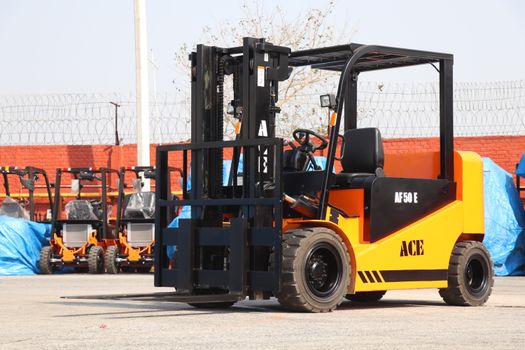
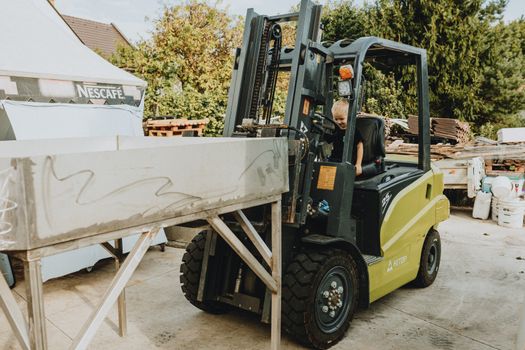
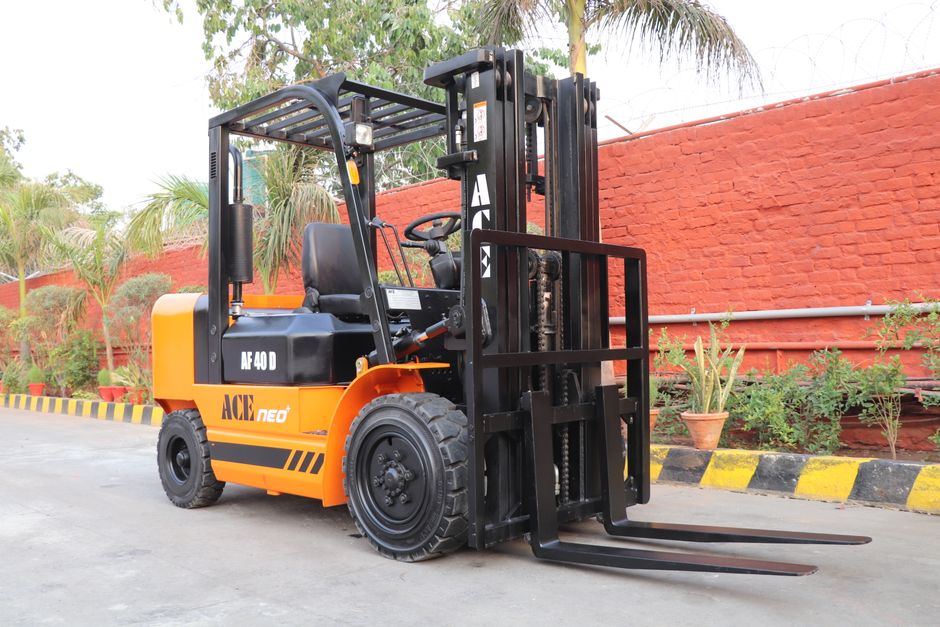
Forklifts used in cold storage are specifically engineered with sealed electrical systems, heated cabs, and cold-resistant hydraulic fluids. They often feature special tires that remain flexible at low temperatures. Electric forklifts are preferred for indoor cold storage due to zero emissions, but they must be equipped with cold storage packages.
Reach Trucks and Order Pickers
For high-density racking, reach trucks and order pickers are essential. These vehicles are designed for narrow aisles and can operate in temperatures down to -30°C. Features include heated operator compartments, special displays that function in cold, and non-slip steps.
Pallet Jacks and Tow Tractors
Manual pallet jacks are not suitable for cold storage due to hydraulic issues. Electric pallet jacks with cold storage modifications are used for horizontal transport. Tow tractors pull trains of carts for order picking and replenishment.
Conveyor Systems
Conveyors are widely used in cold storage for automated movement of goods. They must be constructed with stainless steel or galvanized components to resist corrosion. Belt materials must remain flexible at low temperatures, and motors need heaters or special insulation.
Automated Storage and Retrieval Systems (AS/RS)
AS/RS are increasingly popular in cold storage because they eliminate the need for human operators in extreme conditions. These systems use robots and shuttles to store and retrieve pallets or cases, improving accuracy and reducing labor costs.
Key Features to Look for in Cold Storage Equipment
| Feature | Description |
|---|---|
| Cold-rated components | Hydraulic hoses, seals, and lubricants designed for low temperatures. |
| Heated cabs | Enclosed, heated operator compartments with defrosting windows. |
| Battery management | Lithium-ion batteries with heating elements or fast-charging options. |
| Corrosion resistance | Stainless steel or coated surfaces to prevent rust from condensation. |
| Safety features | Anti-slip floors, blue safety lights, and proximity warnings. |
Best Practices for Cold Storage Material Handling
- Regular Maintenance: Increase maintenance frequency to every 250 hours instead of 500. Check for ice buildup, lubricant condition, and battery health.
- Operator Training: Train operators on cold stress, safe driving on icy floors, and emergency procedures. Provide insulated PPE.
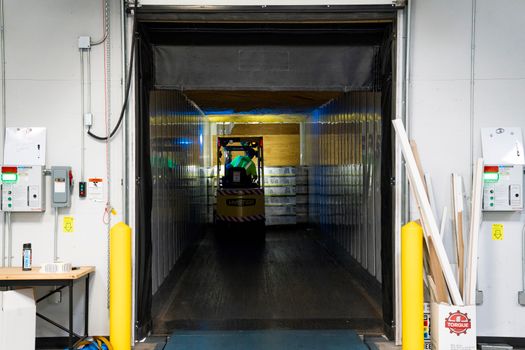
- Layout Optimization: Minimize travel distances and reduce the number of temperature transitions. Use air curtains or rapid doors to maintain temperature zones.
- Battery Care: Store batteries in heated areas and allow them to warm up before charging. Use battery management systems to monitor state of charge and temperature.
- Floor Maintenance: Keep floors dry and free of ice. Use anti-slip coatings and ensure proper drainage.
Emerging Trends in Cold Storage Handling
Automation and robotics are transforming cold storage. Autonomous mobile robots (AMRs) and drones are being tested for inventory checks. IoT sensors monitor equipment health and temperature, predicting failures before they occur. Energy-efficient designs, such as regenerative braking on forklifts, help reduce operational costs.
Conclusion
Selecting the right material handling solutions for cold storage is critical for efficiency, safety, and cost-effectiveness. By understanding the challenges and investing in specialized equipment, you can optimize your cold chain operations. Always consult with equipment manufacturers to ensure your solutions meet the specific temperature requirements of your facility.