 English
 简体中文
简体中文 Русский
 Español
 Deutsch

Supply programme
Bulk Chemical Raw Materials Sourcing Guide
Complete guide to bulk chemical raw materials sourcing: specifications, supplier qualification, logistics, cost tips, and risk management. Optimize your procurement today.

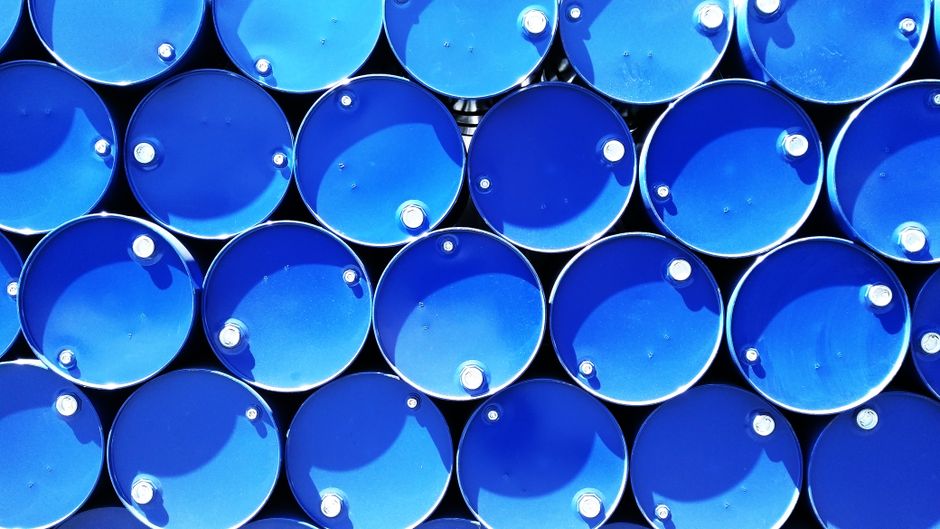
Introduction to Bulk Chemical Raw Materials Sourcing
Sourcing bulk chemical raw materials is a critical operation for industries ranging from pharmaceuticals and agriculture to plastics, coatings, and personal care. Whether you are a manufacturer, a distributor, or a procurement specialist, understanding the nuances of bulk chemical sourcing can significantly impact your production costs, product quality, and supply chain resilience. This comprehensive guide walks you through every stage of the sourcing process, from defining your requirements to managing long-term supplier relationships.
Understanding Bulk Chemical Raw Materials
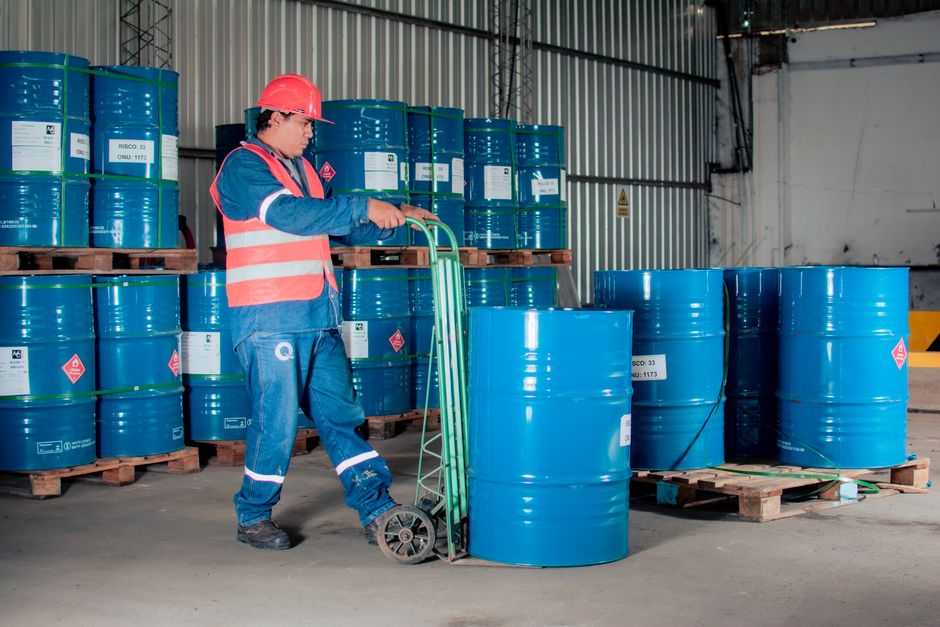
Bulk chemical raw materials are substances purchased in large quantities—typically in drums, totes, tankers, or railcars—that serve as the foundation for manufacturing processes. They can be categorized into several groups:
- Commodity chemicals: High-volume, standardized substances like sulfuric acid, caustic soda, and ethylene glycol.
- Specialty chemicals: Lower-volume, higher-value materials with specific performance characteristics, such as surfactants, catalysts, and flame retardants.
- Fine chemicals: Complex, high-purity compounds produced in limited quantities, often for pharmaceuticals or electronics.
- Industrial gases: Oxygen, nitrogen, hydrogen, and others supplied in bulk liquid or gaseous form.
Each category demands a different sourcing strategy, contract structure, and logistics plan.
Key Steps in the Bulk Chemical Sourcing Process
1. Define Your Specifications and Volume Requirements
Before contacting suppliers, you must have a clear specification sheet that includes chemical name, CAS number, purity grade, permissible impurities, physical form, packaging, and any regulatory certifications (e.g., REACH, FDA, ISO). Volume requirements should be forecasted accurately to avoid overordering (which ties up capital and storage) or underordering (which risks production downtime).
2. Identify and Qualify Suppliers
Supplier qualification is more than checking a price list. It involves:
- Verifying manufacturing capabilities and capacity.
- Reviewing quality management systems (ISO 9001, GMP).
- Checking regulatory compliance and environmental permits.
- Requesting samples and conducting lab tests.
- Auditing facilities, either on-site or through third-party inspectors.
Consider both domestic and international suppliers. While overseas suppliers may offer lower prices, they introduce longer lead times, currency risks, and potential trade barriers.
3. Request for Quotation (RFQ) and Negotiation
Prepare a detailed RFQ that includes your specifications, expected annual volume, delivery terms (Incoterms), payment terms, and required documentation. When negotiating, focus not only on unit price but also on total cost of ownership: freight, duties, storage, quality testing, and payment terms. Long-term contracts can lock in favorable pricing but reduce flexibility; spot purchases offer flexibility but expose you to market volatility.
4. Logistics and Warehousing
Bulk chemicals require specialized logistics. Consider:
- Mode of transport: tanker trucks, ISO tanks, railcars, or bulk vessels.
- Hazmat regulations (ADR, IMDG, IATA) for dangerous goods.
- Storage conditions: temperature control, ventilation, segregation of incompatible materials.
- Inventory management: just-in-time (JIT) vs. safety stock.
Partnering with a logistics provider experienced in chemical handling can prevent costly delays and safety incidents.
5. Quality Assurance and Compliance
Establish a robust incoming inspection protocol. This may include certificate of analysis (CoA) review, sampling, and in-house testing. Ensure that all suppliers comply with relevant regulations such as REACH, TSCA, and OSHA. For food, drug, or cosmetic applications, additional certifications like FSSC 22000 or USP/NF grades are necessary.
Comparing Sourcing Options: Direct vs. Distributor vs. Trading Company
| Channel | Advantages | Disadvantages |
|---|---|---|
| Direct from Manufacturer | Lowest price, full traceability, custom specifications | High minimum order quantities, long lead times, limited flexibility |
| Distributor | Smaller quantities, local stock, technical support | Higher price, limited product range |
| Trading Company | Access to global suppliers, consolidated shipping | Less transparency, potential quality risks, higher margins |
Your choice depends on your volume, technical requirements, and risk tolerance. Many companies use a hybrid approach, sourcing commodities directly and specialty chemicals through distributors.
Practical Tips for Cost-Effective Sourcing
- Leverage volume aggregation: Combine orders across departments or sites to negotiate better pricing.
- Monitor market trends: Track feedstock prices, energy costs, and geopolitical events that affect chemical prices.
- Build strategic partnerships: Long-term relationships with key suppliers can lead to priority allocation during shortages.
- Consider alternative suppliers: Qualify at least two suppliers for each critical material to mitigate risk.
- Optimize payment terms: Negotiate longer payment windows to improve cash flow.
- Use e-sourcing platforms: Digital platforms can streamline RFQs and increase supplier reach.
Risk Management in Bulk Chemical Sourcing
Supply chain disruptions, price volatility, and regulatory changes are constant risks. Mitigate them by:
- Maintaining safety stock for critical materials.
- Diversifying suppliers across different regions.
- Hedging price risks through futures contracts or fixed-price agreements.
- Staying informed about regulatory updates (e.g., REACH SVHC list, tariffs).
- Developing contingency plans for transportation interruptions.
Sustainability and Ethical Sourcing
Increasingly, buyers demand sustainable and ethically sourced chemicals. Look for suppliers with:
- ISO 14001 certification or equivalent environmental management systems.
- Commitment to reducing carbon footprint (e.g., via renewable energy).
- Responsible Care® or similar industry initiatives.
- Transparent supply chains and fair labor practices.
Sustainable sourcing not only meets regulatory and customer expectations but can also reduce long-term costs through energy efficiency and waste reduction.
Conclusion
Bulk chemical raw materials sourcing is a multifaceted process that requires careful planning, thorough supplier evaluation, and ongoing management. By following the steps outlined in this guide, you can secure reliable, high-quality materials at competitive prices while minimizing risks. Remember that the best sourcing strategy aligns with your company's overall goals—whether that's cost leadership, innovation, or sustainability. Invest time in building strong supplier relationships and staying agile in a dynamic global market.
In scope
Browse all Materials frequently supplied with this programme

Keep reading
Other supply programmes
Best Chemical Raw Materials for Pharma Manufacturing
Discover the best chemical raw materials for pharma manufacturing, including APIs, excipients, and solvents. Learn selection criteria and sourcing tips.
View solutionEco-Friendly Chemical Raw Materials for Cosmetics
Discover 10 eco-friendly chemical raw materials for cosmetics, from biodegradable emulsifiers to upcycled actives. Build sustainable, effective formulas today.
View solutionHow to Choose a Reliable Chemical Raw Material Supplier
Learn how to choose a reliable chemical raw material supplier with our in-depth guide covering certifications, quality checks, pricing, and risk management.
View solutionIndustrial vs Food Grade Chemicals: Key Differences
Learn the key differences between industrial and food grade chemicals. Compare purity, regulations, and costs. Choose the right grade for your application.
View solutionStart a programme like this
Send the market you sell into, the materials you handle and the packing and documentation you need.