 English
 简体中文
简体中文 Русский
 Español
 Deutsch
Supply programme
Best Chemical Raw Materials for Pharma Manufacturing
Discover the best chemical raw materials for pharma manufacturing, including APIs, excipients, and solvents. Learn selection criteria and sourcing tips.

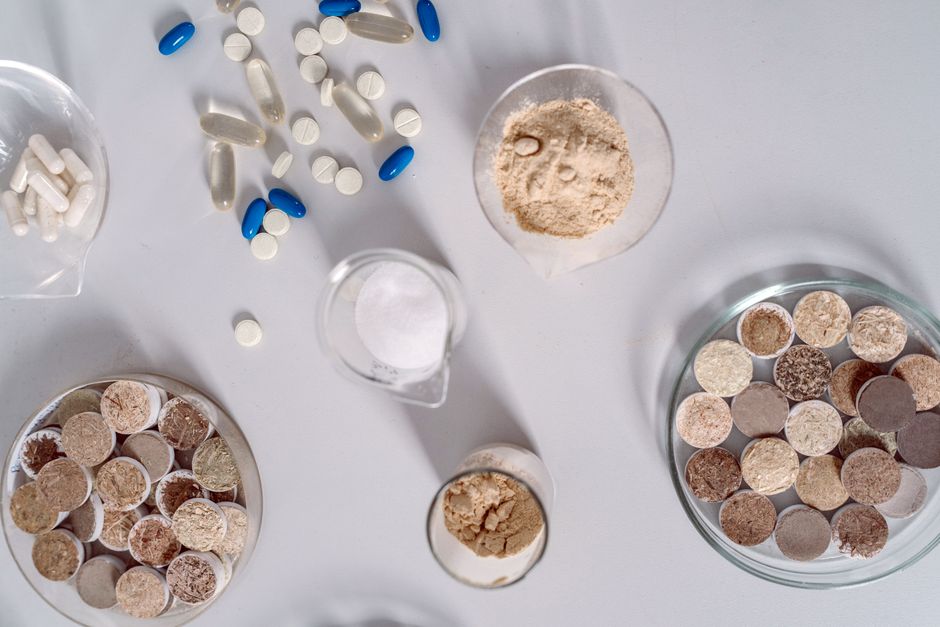
Introduction to Pharmaceutical Raw Materials
Pharmaceutical manufacturing is one of the most tightly regulated industries in the world. Every tablet, capsule, injection, and syrup begins with chemical raw materials that must meet exacting standards of purity, potency, and safety. Choosing the best chemical raw materials for pharma manufacturing is not simply a procurement decision — it is a strategic choice that affects product quality, regulatory compliance, patient safety, and profitability.
This guide explores the key categories of pharmaceutical raw materials, the criteria for selecting the best options, leading examples within each category, and practical tips for building a reliable, compliant supply chain.

What Are Pharmaceutical Raw Materials?
Pharmaceutical raw materials are the chemical substances used to manufacture drug products. They fall into several broad categories:
- Active Pharmaceutical Ingredients (APIs): The biologically active component that produces the therapeutic effect.
- Excipients: Inactive substances that serve as fillers, binders, disintegrants, coatings, preservatives, or flavoring agents.
- Intermediates: Chemical compounds formed during the synthesis of APIs.
- Solvents and reagents: Liquids and chemicals used in reaction, extraction, purification, and cleaning processes.
- Packaging and processing aids: Materials such as purified water, nitrogen, and inert gases used during production.
Each category has distinct quality requirements, but all share a common foundation: they must be manufactured under strict controls and documented to regulatory standards.
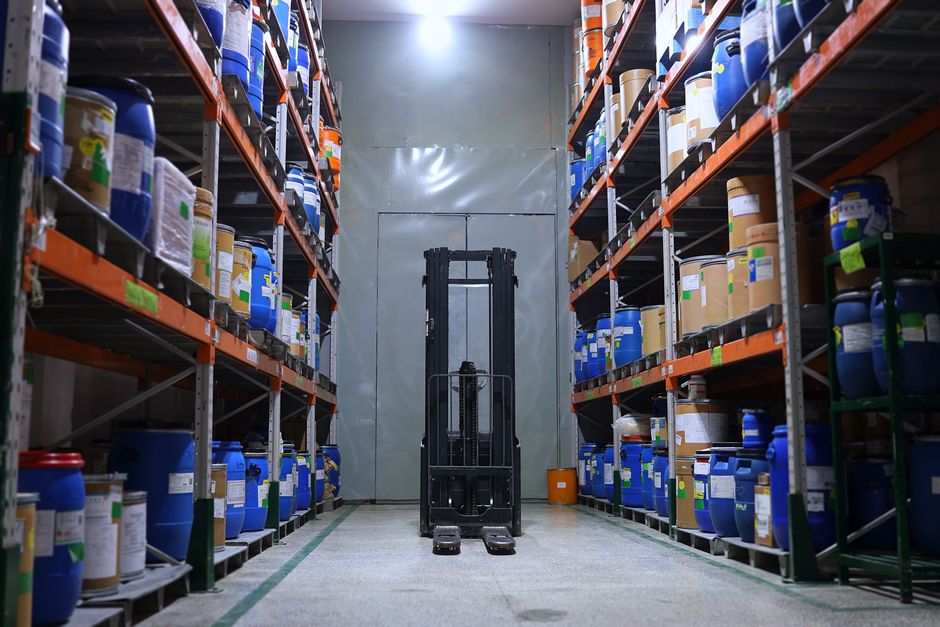
Key Criteria for Selecting the Best Chemical Raw Materials
Not all raw materials are equal. The best choices satisfy several overlapping criteria.
1. Purity and Grade
Pharmaceutical-grade materials must meet pharmacopeial standards such as USP (United States Pharmacopeia), EP (European Pharmacopoeia), JP (Japanese Pharmacopoeia), or BP (British Pharmacopoeia). Higher purity reduces the risk of side reactions, impurities, and batch failures. For APIs, purity is typically expressed as a percentage of the active compound, with strict limits on related substances and residual solvents.
2. Regulatory Compliance
Suppliers should operate under Good Manufacturing Practice (GMP) and provide documentation such as Certificates of Analysis (CoA), Drug Master Files (DMF), and regulatory support for filings. For APIs, a valid DMF or CEP (Certificate of Suitability) is often essential for market approval.
3. Supply Chain Reliability
Pharmaceutical production cannot tolerate stockouts. The best raw materials come from suppliers with redundant manufacturing sites, robust logistics, and transparent communication. Diversifying suppliers reduces the risk of geopolitical, environmental, or logistical disruptions.
4. Cost-Effectiveness
While quality is non-negotiable, cost still matters. Evaluate total cost of ownership, including testing, storage, and compliance overhead — not just the purchase price.
5. Sustainability and Ethical Sourcing
Increasingly, regulators and consumers expect environmentally responsible sourcing. Green chemistry, reduced solvent use, and ethical labor practices are becoming differentiators among top-tier suppliers.
Top Chemical Raw Materials for Pharma Manufacturing
The following materials are among the most widely used and highly regarded in pharmaceutical production.
Active Pharmaceutical Ingredients (APIs)
APIs are the heart of any drug product. Examples of widely used APIs include:
- Paracetamol (Acetaminophen): A common analgesic and antipyretic, produced in large volumes globally.
- Metformin hydrochloride: A first-line treatment for type 2 diabetes.
- Amoxicillin: A broad-spectrum antibiotic in the penicillin class.
- Atorvastatin calcium: A statin used to lower cholesterol.
When sourcing APIs, prioritize manufacturers with a proven regulatory history, full impurity profiling, and consistent particle size distribution.
Excipients
Excipients influence bioavailability, stability, and manufacturability. Key examples include:
- Microcrystalline cellulose (MCC): A versatile binder and filler for tablets.
- Lactose monohydrate: A common diluent with excellent compressibility.
- Magnesium stearate: A lubricant that prevents sticking during tableting.
- Povidone (PVP): A binder and solubilizer used in tablets and liquids.
- Croscarmellose sodium: A super-disintegrant that accelerates tablet breakdown.
Choose excipients with low microbial bioburden, tight particle size specifications, and multifunctional grades where possible.
Solvents and Reagents
Solvents are critical in synthesis and purification. Common pharmaceutical solvents include:
- Ethanol: A versatile, relatively low-toxicity solvent.
- Isopropyl alcohol (IPA): Used in extraction and cleaning.
- Acetone: Effective for crystallization and purification.
- Purified water: The most important raw material in pharmaceutical manufacturing.
Always verify residual solvent limits against ICH Q3C guidelines.
Specialty and Functional Materials
Advanced formulations often require specialty materials such as:
- Hydroxypropyl methylcellulose (HPMC): For controlled-release coatings.
- Cyclodextrins: To improve solubility of poorly soluble drugs.
- Lipids and surfactants: For lipid nanoparticles and mRNA delivery systems.
Comparing Common Pharmaceutical Raw Materials
| Material | Category | Primary Function | Key Quality Parameter |
|---|---|---|---|
| Paracetamol | API | Analgesic/antipyretic | Assay ≥ 99.0% |
| Microcrystalline cellulose | Excipient | Binder/filler | Particle size, moisture |
| Magnesium stearate | Excipient | Lubricant | Specific surface area |
| Ethanol | Solvent | Reaction/extraction | Residual solvent limits |
| HPMC | Specialty | Controlled release | Viscosity, substitution degree |
Practical Tips for Sourcing Pharmaceutical Raw Materials
- Qualify suppliers thoroughly: Conduct audits, request samples, and review regulatory documentation before committing to volume.
- Maintain dual sourcing: Qualify at least two suppliers for critical materials to avoid single points of failure.
- Test incoming materials: Even with a CoA, perform identity testing and, where required, full pharmacopeial testing.
- Store correctly: Follow labeled conditions for temperature, humidity, and light to prevent degradation.
- Track regulatory changes: Monitor USP, EP, and ICH updates that may affect specifications.
- Build supplier partnerships: Long-term relationships often yield better pricing, priority allocation, and technical support.
Regulatory Considerations and Quality Standards
Pharmaceutical raw materials are governed by a complex web of regulations. In the United States, the FDA enforces cGMP under 21 CFR Parts 210 and 211. In Europe, the EMA and EDQM oversee compliance through GMP and CEP certification. The ICH provides harmonized guidelines, including Q3C for residual solvents, Q3D for elemental impurities, and Q7 for API GMP.
Failure to comply can result in warning letters, import alerts, product recalls, and loss of market authorization. For this reason, quality assurance teams should treat raw material qualification as a continuous process, not a one-time event.
Future Trends in Pharmaceutical Raw Materials
Several trends are reshaping the raw materials landscape:
- Continuous manufacturing: Requires raw materials with highly consistent flow and particle properties.
- Biologics and mRNA: Driving demand for high-purity lipids, nucleotides, and enzymes.
- Green chemistry: Encouraging bio-based solvents and reduced hazardous waste.
- Digital supply chains: Blockchain and serialization improve traceability from source to patient.
Conclusion
Selecting the best chemical raw materials for pharma manufacturing is a balance of quality, compliance, reliability, and cost. By understanding the categories of raw materials, applying rigorous selection criteria, and following practical sourcing tips, manufacturers can protect patient safety, maintain regulatory standing, and build resilient supply chains. As the industry evolves toward biologics, continuous processing, and sustainable chemistry, the demand for high-quality raw materials will only intensify — making informed sourcing more important than ever.
In scope
Browse all Materials frequently supplied with this programme
Keep reading
Other supply programmes
Best Chemical Raw Materials for Pharma Manufacturing
Discover the best chemical raw materials for pharma manufacturing, including APIs, excipients, and solvents. Learn selection criteria and sourcing tips.
View solutionHow to Verify Chemical Raw Material Quality: 7 Steps
Learn how to verify chemical raw material quality in 7 practical steps. From supplier audits to analytical testing—ensure safety and compliance. Read now!
View solutionChemical Raw Material Import Regulations Guide
Learn chemical raw material import regulations: REACH, TSCA, GHS, documentation, and customs tips. Ensure compliant, smooth chemical imports today.
View solutionCommon Impurities in Chemical Raw Materials & Risks
Learn about common impurities in chemical raw materials, their sources, risks, detection, and how to reduce contamination. Ensure quality and compliance today.
View solutionStart a programme like this
Send the market you sell into, the materials you handle and the packing and documentation you need.