 English
 简体中文
简体中文 Русский
 Español
 Deutsch
Supply programme
Industrial vs Food Grade Chemicals: Key Differences
Learn the key differences between industrial and food grade chemicals. Compare purity, regulations, and costs. Choose the right grade for your application.
Industrial vs Food Grade Chemicals: Key Differences
In the world of chemical raw materials, not all chemicals are created equal. The distinction between industrial grade and food grade chemicals is critical for safety, regulatory compliance, and product quality. Whether you're in manufacturing, food processing, or pharmaceuticals, understanding these differences can prevent costly mistakes and ensure consumer safety. This article breaks down the key differences between industrial and food grade chemicals, comparing them across multiple parameters. We'll also provide a clear recommendation on which grade to use for specific applications.
What Are Industrial Grade Chemicals?
Industrial grade chemicals are designed for non-consumer applications. They are used in manufacturing processes, cleaning, agriculture, and heavy industry. These chemicals prioritize performance and cost-efficiency over purity. They may contain impurities, by-products, or additives that are acceptable for industrial use but hazardous if ingested. Common examples include industrial solvents, acids, and bases used in metal treatment, textile production, and chemical synthesis.
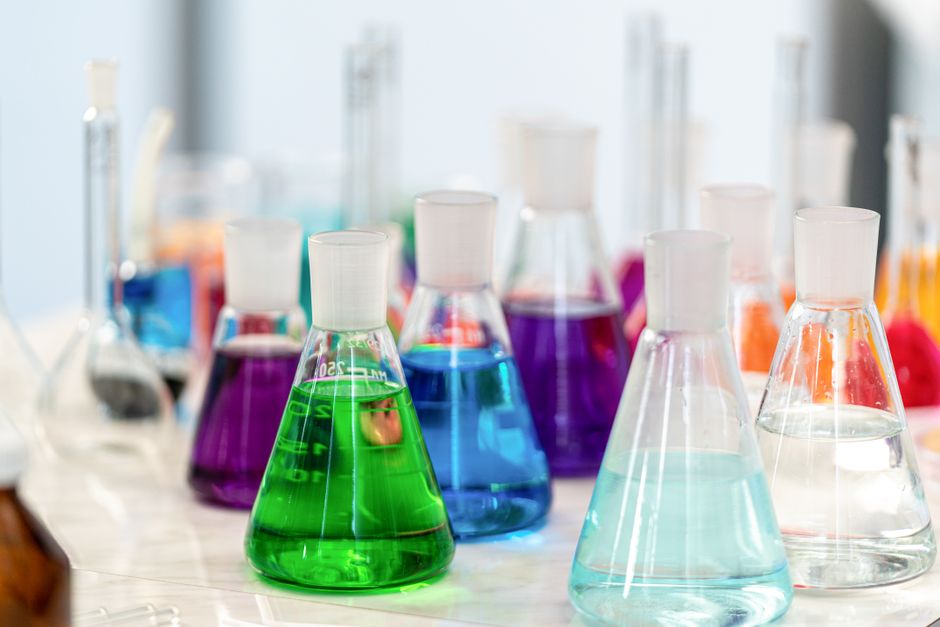
What Are Food Grade Chemicals?
Food grade chemicals are manufactured to meet strict purity standards set by regulatory bodies such as the FDA, EFSA, and FAO/WHO. They are safe for human consumption when used as intended. These chemicals are used as food additives, preservatives, flavor enhancers, and processing aids. They must be free from harmful contaminants like heavy metals, pesticides, and microbial pathogens. Examples include citric acid, sodium benzoate, and food-grade phosphoric acid.
Key Differences: A Comparative Analysis
To highlight the distinctions, let's compare industrial and food grade chemicals across several critical parameters.
1. Purity Standards
Purity is the most significant differentiator. Food grade chemicals must meet minimum purity levels (often 99%+), while industrial grades may have lower purity (e.g., 95-98%) and allow more impurities.
| Parameter | Industrial Grade | Food Grade |
|---|---|---|
| Purity | Typically 90-98% | Typically 99%+ |
| Impurities | May contain heavy metals, residues | Strict limits on heavy metals, arsenic, lead |
2. Regulatory Compliance
Food grade chemicals are governed by stringent regulations (e.g., FDA 21 CFR, EU 231/2012). Industrial chemicals face less rigorous oversight, often only requiring workplace safety compliance (OSHA, REACH).
| Parameter | Industrial Grade | Food Grade |
|---|---|---|
| Regulations | OSHA, REACH, EPA | FDA, EFSA, FAO/WHO, FCC |
| Certifications | ISO 9001, ISO 14001 | FSSC 22000, HACCP, Kosher, Halal |
3. Production Processes
Food grade chemicals are produced in dedicated facilities or lines to prevent cross-contamination. Industrial chemicals can be produced in multi-purpose plants with less stringent cleaning protocols.
| Parameter | Industrial Grade | Food Grade |
|---|---|---|
| Facility | Multi-purpose, shared lines | Dedicated, segregated lines |
| Cleaning | Standard industrial cleaning | Validated sanitation, allergen control |
4. Packaging and Labeling
Food grade chemicals require packaging that prevents contamination and labeling that includes lot numbers, expiry dates, and nutritional information if applicable. Industrial chemicals have less strict packaging requirements.
| Parameter | Industrial Grade | Food Grade |
|---|---|---|
| Packaging | Drums, bulk bags | Food-safe liners, sealed containers |
| Labeling | GHS hazard labels | GHS + food contact statements, lot traceability |
5. Cost
Food grade chemicals are generally more expensive due to higher purity, testing, and compliance costs. Industrial grades are cheaper but unsuitable for food applications.
| Parameter | Industrial Grade | Food Grade |
|---|---|---|
| Cost | Lower | Higher (20-50% premium) |
| Testing | Basic QC | Extensive analytical testing |
When to Use Each Grade
Choosing the wrong grade can lead to product recalls, legal penalties, and health risks. Here's a quick guide:
- Use Food Grade When: The chemical will come into contact with food, beverages, pharmaceuticals, or cosmetics. This includes direct additives, processing aids, and cleaning agents in food facilities.
- Use Industrial Grade When: The chemical is used in non-consumer applications such as manufacturing, cleaning, agriculture, or construction. Ensure it is stored and handled separately from food areas.
Common Misconceptions
Some believe that industrial chemicals can be purified on-site to food grade. This is rarely feasible and often unsafe. Others think food grade means "edible" – it doesn't; it means safe for intended use in food production. Always verify certifications and supplier credibility.
Recommendation
Based on our analysis, the choice between industrial and food grade chemicals should be driven by application, not cost. For any product that will be ingested or contact food, always use food grade chemicals from a reputable supplier with proper certifications (e.g., FSSC 22000, Kosher, Halal). For industrial applications, industrial grade is sufficient and cost-effective. Never substitute one for the other without thorough risk assessment and regulatory approval.
At [Your Company], we supply both industrial and food grade chemicals with full traceability and documentation. Contact us to discuss your specific needs and ensure compliance with industry standards.
In scope
Browse all Materials frequently supplied with this programme
Keep reading
Other supply programmes
Eco-Friendly Chemical Raw Materials for Cosmetics
Discover 10 eco-friendly chemical raw materials for cosmetics, from biodegradable emulsifiers to upcycled actives. Build sustainable, effective formulas today.
View solutionChemical Raw Material Import Regulations Guide
Learn chemical raw material import regulations: REACH, TSCA, GHS, documentation, and customs tips. Ensure compliant, smooth chemical imports today.
View solutionIndustrial vs Food Grade Chemicals: Key Differences
Learn the key differences between industrial and food grade chemicals. Compare purity, regulations, and costs. Choose the right grade for your application.
View solutionBulk Chemical Raw Materials Sourcing Guide
Complete guide to bulk chemical raw materials sourcing: specifications, supplier qualification, logistics, cost tips, and risk management. Optimize your procurement today.
View solutionStart a programme like this
Send the market you sell into, the materials you handle and the packing and documentation you need.