 English
 简体中文
简体中文 Русский
 Español
 Deutsch
Supply programme
How to Store Chemical Raw Materials Safely
Learn how to store chemical raw materials safely with expert tips on classification, segregation, ventilation, and emergency planning. Keep your facility compliant.
Why Safe Storage of Chemical Raw Materials Matters
Chemical raw materials are the backbone of countless industries, from pharmaceuticals and agrochemicals to plastics, coatings, and cosmetics. Yet improper storage can lead to degradation, contamination, fires, explosions, toxic releases, and serious legal liability. Whether you manage a small laboratory or a large distribution warehouse, understanding how to store chemical raw materials safely is essential for protecting people, property, and the environment.
This guide covers the core principles of chemical storage, including classification, facility design, environmental controls, segregation, handling procedures, and emergency preparedness. By following these best practices, you can reduce risk, maintain product quality, and stay compliant with regulations such as OSHA, EPA, and REACH.
1. Know Your Chemicals: Classification and Labeling
Safe storage begins with accurate identification. Every chemical raw material should arrive with a Safety Data Sheet (SDS) and a compliant label. The Globally Harmonized System (GHS) classifies chemicals by hazard, including:
- Flammables and combustibles – liquids with low flash points, such as acetone, ethanol, and toluene.
- Oxidizers – substances that can intensify fires, such as hydrogen peroxide and nitrates.
- Corrosives – acids and bases that damage skin, metals, and containers.
- Toxics and carcinogens – materials harmful through inhalation, ingestion, or skin contact.
- Reactive and water-reactive – chemicals that react violently with water, air, or other substances.
- Compressed gases – stored under pressure and often flammable or asphyxiating.
Create an inventory that lists each material, its hazard class, quantity, location, and expiration date. Review the SDS for specific storage temperature, humidity, and incompatibility warnings. Never store chemicals in unlabeled containers, and never transfer them into food or beverage containers.
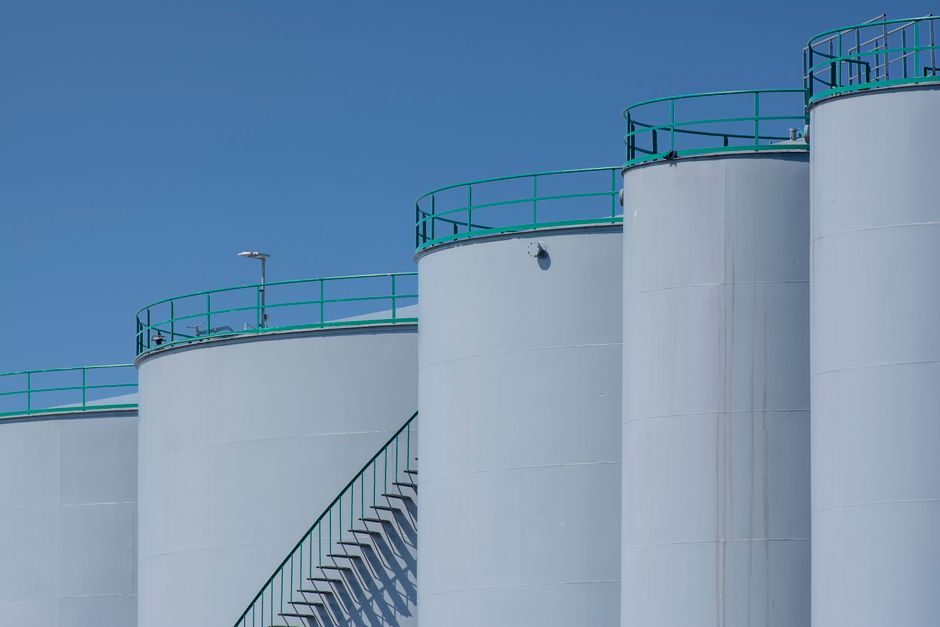
2. Design a Dedicated Storage Facility
Not every chemical can be stored in the same room. Ideally, you should have separate, clearly marked storage areas based on hazard class. Key design considerations include:
- Ventilation: Use mechanical ventilation to prevent vapor accumulation. For flammable storage, aim for at least 6–10 air changes per hour.
- Temperature control: Many raw materials degrade above 25°C or below 5°C. Install monitoring and alarms.
- Fire resistance: Flammable storage cabinets and rooms should meet local fire codes, often with 1-hour or 2-hour fire ratings.
- Spill containment: Use secondary containment trays, curbed floors, or bunded pallets to capture leaks.
- Lighting and electrical: Use explosion-proof fixtures in flammable storage areas.
- Access control: Restrict entry to trained personnel and maintain a sign-in log.
Outdoor storage may be suitable for some drums and totes, but only if they are protected from weather, sunlight, and unauthorized access.
3. Segregate Incompatible Materials
One of the most common causes of chemical incidents is storing incompatible substances together. A single leak can trigger a violent reaction. Use the following segregation matrix as a starting point:
| Hazard Class | Should Not Be Stored Near |
|---|---|
| Flammable liquids | Oxidizers, acids, bases |
| Oxidizers | Flammables, organic materials, reducing agents |
| Acids | Bases, cyanides, sulfides, flammables |
| Bases | Acids, halogenated organics |
| Water-reactive | Water sources, sprinkler systems, damp areas |
| Toxics | Food, feed, pharmaceuticals |
Maintain a minimum separation distance (often 3–6 meters) or use physical barriers such as walls or cabinets. Never rely on alphabetical order alone—segregate by hazard class first.
4. Control Environmental Conditions
Temperature, humidity, light, and air quality all affect chemical stability. Follow these guidelines:
- Store heat-sensitive materials in temperature-controlled rooms or refrigerators rated for flammable storage.
- Keep hygroscopic chemicals in sealed containers with desiccants; use nitrogen blanketing for oxygen-sensitive products.
- Protect light-sensitive compounds (e.g., silver nitrate, certain vitamins) from UV and visible light using amber glass or opaque containers.
- Monitor humidity to prevent corrosion of metal drums and caking of powders.
- Use continuous data loggers and set alarms for out-of-range conditions.
5. Use Proper Containers and Shelving
The container is your first line of defense. Ensure that all containers are compatible with their contents, chemically resistant, and in good condition. For example, hydrofluoric acid must be stored in polyethylene, not glass. Inspect drums, totes, and bottles regularly for leaks, corrosion, or damage.
Shelving should be sturdy, non-combustible, and equipped with lips or restraints to prevent containers from falling. Store heavy items on lower shelves and never stack containers above eye level. Use secondary containment for liquids, and keep aisles clear for emergency access.
6. Implement Safe Handling and Housekeeping
Storage safety is not just about the room—it is also about daily habits. Train staff to:
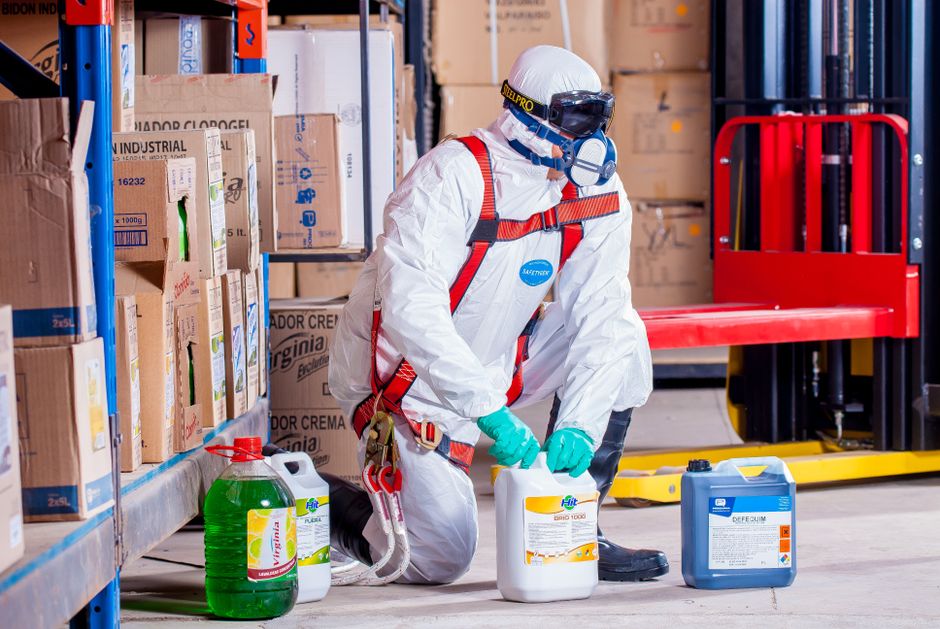
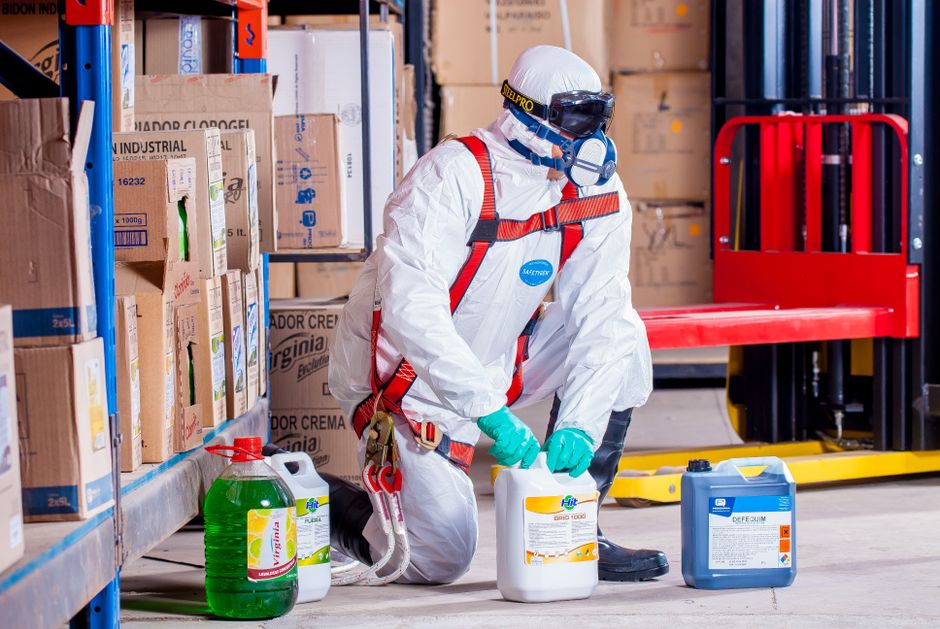
- Wear appropriate PPE, including gloves, goggles, and lab coats or chemical suits.
- Use proper tools for opening, dispensing, and transferring chemicals.
- Clean up spills immediately using spill kits and follow disposal procedures.
- Keep storage areas clean, dry, and free of clutter, food, and personal items.
- Conduct regular inspections and document findings.
Establish a first-in, first-out (FIFO) system to reduce the risk of expired chemicals accumulating. Dispose of outdated or degraded materials through licensed waste contractors.
7. Prepare for Emergencies
Even with the best precautions, accidents can happen. Be ready with:
- Fire extinguishers suitable for the hazard classes present (e.g., Class B for flammables, Class D for metals).
- Spill kits containing absorbents, neutralizers, and PPE.
- Eyewash stations and safety showers within 10 seconds of travel.
- Emergency contact numbers and evacuation routes posted clearly.
- Regular drills and refresher training for all staff.
Maintain an up-to-date emergency response plan that includes chemical inventories, floor plans, and utility shut-off locations.
8. Comply with Regulations and Standards
Chemical storage is heavily regulated. Depending on your location and industry, you may need to comply with OSHA 29 CFR 1910.106 (flammable liquids), EPA 40 CFR 264/265 (hazardous waste), NFPA 30 (flammable and combustible liquids), and REACH or TSCA for chemical registration. Keep records of inspections, training, and disposal for at least three years, or longer if required.
Conclusion
Storing chemical raw materials safely requires a systematic approach: know your hazards, design the right facility, segregate incompatible materials, control the environment, use proper containers, train your team, and prepare for emergencies. By embedding these practices into your daily operations, you protect your workforce, your community, and your bottom line. Start with a thorough risk assessment today, and make safety a continuous improvement process.
In scope
Browse all Materials frequently supplied with this programme

Keep reading
Other supply programmes
Bulk Chemical Raw Materials Sourcing Guide
Complete guide to bulk chemical raw materials sourcing: specifications, supplier qualification, logistics, cost tips, and risk management. Optimize your procurement today.
View solutionBest Chemical Raw Materials for Pharma Manufacturing
Discover the best chemical raw materials for pharma manufacturing, including APIs, excipients, and solvents. Learn selection criteria and sourcing tips.
View solutionChemical Raw Material Market Analysis Report 2024
In-depth 2024 chemical raw material market analysis: trends, regional insights, pricing, challenges, and opportunities. Stay ahead in the chemical industry.
View solutionIndustrial vs Food Grade Chemicals: Key Differences
Learn the key differences between industrial and food grade chemicals. Compare purity, regulations, and costs. Choose the right grade for your application.
View solutionStart a programme like this
Send the market you sell into, the materials you handle and the packing and documentation you need.