 English
 简体中文
简体中文 Русский
 Español
 Deutsch

Supply programme
Chemical Raw Material Import Regulations Guide
Learn chemical raw material import regulations: REACH, TSCA, GHS, documentation, and customs tips. Ensure compliant, smooth chemical imports today.


Introduction to Chemical Raw Material Import Regulations
Importing chemical raw materials is a complex, highly regulated activity that sits at the intersection of international trade law, environmental protection, public health, and industrial safety. Whether you are sourcing solvents, intermediates, polymers, or specialty additives, failing to understand import regulations can result in shipment seizures, fines, business delays, and even criminal liability. This guide walks you through the essential regulatory frameworks, documentation requirements, and practical strategies for compliant chemical imports.
Global chemical trade exceeds trillions of dollars annually, and regulators worldwide have intensified scrutiny in recent years. Authorities now demand detailed hazard data, accurate classification, and full supply chain transparency. For importers, staying current is not optional—it is a core business function.

Key Regulatory Frameworks Governing Chemical Imports
REACH (European Union)
The Registration, Evaluation, Authorisation and Restriction of Chemicals (REACH) regulation is one of the most influential chemical laws globally. If you import chemicals into the EU above one tonne per year, you generally must register the substance with the European Chemicals Agency (ECHA). Non-EU manufacturers often appoint an Only Representative to fulfill registration obligations on behalf of importers.
TSCA (United States)
Under the Toxic Substances Control Act (TSCA), any chemical substance manufactured or imported into the U.S. must be on the TSCA Inventory or otherwise exempt. Importers must certify compliance at the time of entry, and the EPA can require testing, reporting, and restrictions on specific substances.
GHS and Hazard Communication
The Globally Harmonized System of Classification and Labelling of Chemicals (GHS) provides a standardized approach to hazard classification, labeling, and safety data sheets (SDS). Most major economies, including the EU, U.S., China, Japan, and Brazil, have adopted GHS-based requirements. Your imported chemicals must arrive with compliant labels and SDS in the destination language.
Regional and National Variations
China's MEE Order 12, Japan's CSCL, Canada's CEPA, and Australia's AICIS each impose distinct notification and assessment duties. Always verify the specific rules of your destination market before shipping.
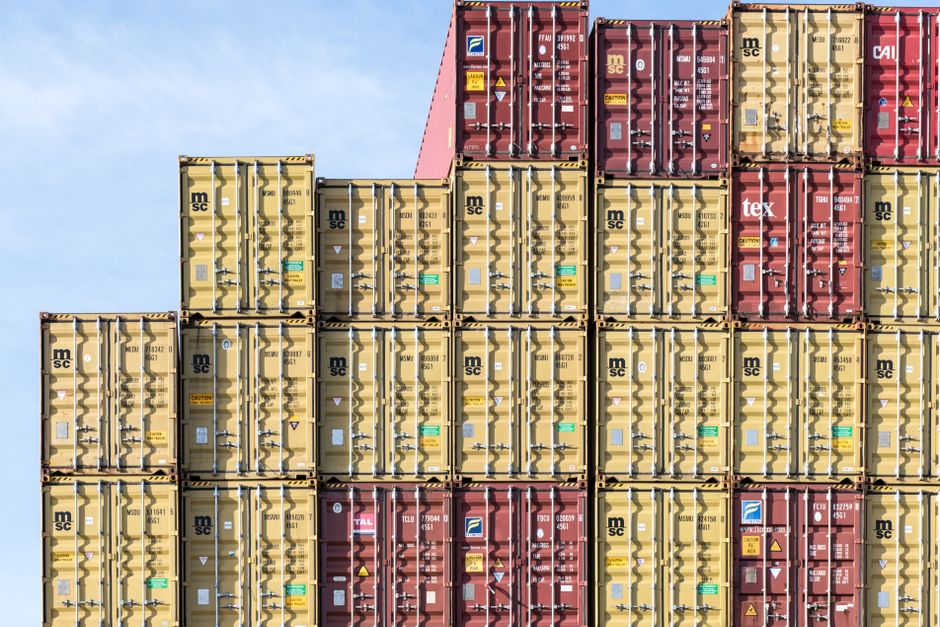
Essential Documentation for Importing Chemical Raw Materials
A complete and accurate document package is your first line of defense against customs delays. Typical requirements include:
- Commercial invoice and packing list with precise chemical names, CAS numbers, and quantities.
- Safety Data Sheet (SDS) in the required format and language.
- Certificate of Analysis (CoA) confirming purity and specifications.
- Import license or registration certificate where applicable.
- Customs declaration with correct HS codes and duty information.
- Transport documents such as bills of lading and dangerous goods declarations.
- Insurance certificate covering the full shipment value.
Inconsistencies between documents—such as a CAS number mismatch—are a common cause of customs holds. Implement a verification checklist and double-check every entry before submission.
Hazard Classification and Dangerous Goods Requirements
Many chemical raw materials are classified as dangerous goods for transport. The UN Model Regulations, IATA Dangerous Goods Regulations (air), IMDG Code (sea), and ADR (road) set out packing, labeling, and documentation rules. Key steps include:
- Determine the correct UN number, proper shipping name, class, and packing group.
- Use UN-approved packaging and mark it correctly.
- Prepare a Dangerous Goods Declaration signed by trained personnel.
- Ensure vehicle and container placarding meets modal requirements.
Non-compliance can lead to rejected shipments, port fines, and safety incidents. Invest in staff training and, where possible, partner with logistics providers experienced in hazardous materials.
Customs Classification, Duties, and Tariffs
Correct Harmonized System (HS) classification determines your duty rate and eligibility for trade agreements. Chemical products often fall under HS Chapters 28 to 38, but classification can be nuanced. Consider the following:
| Factor | Impact on Import |
|---|---|
| HS code accuracy | Determines duty rate and regulatory controls |
| Country of origin | Affects preferential tariff treatment |
| Free trade agreements | Can reduce or eliminate duties |
| Anti-dumping duties | May apply to specific chemicals from certain origins |
Request advance rulings from customs authorities when classification is uncertain. This proactive step prevents costly reclassification and retroactive duty assessments.
Environmental, Health, and Safety Compliance
Beyond registration, importers must comply with environmental and workplace safety rules. These may include:
- Emissions and effluent permits for storage or repackaging facilities.
- Occupational exposure limits and worker protection programs.
- Emergency response and spill contingency plans.
- Waste management and disposal requirements for rejected or expired materials.
Regulators increasingly expect importers to demonstrate due diligence across the supply chain, including human rights and environmental impacts in source countries.
Practical Tips for Smooth Chemical Imports
1. Build a Regulatory Map
Create a matrix of every market you serve, listing registration deadlines, labeling rules, and restricted substances. Update it quarterly.
2. Qualify Your Suppliers
Work with manufacturers who provide complete regulatory dossiers, including SDS, CoA, and registration evidence. Avoid suppliers who cannot document compliance.
3. Use an Only Representative or Local Agent
In jurisdictions like the EU, a local representative can handle registration and act as a liaison with authorities, simplifying your obligations.
4. Train Your Team
Ensure staff involved in procurement, logistics, and customs are trained on GHS, dangerous goods, and import documentation.
5. Leverage Technology
Use compliance software to track substance inventories, SDS versions, and regulatory changes. Automation reduces human error.
6. Plan for Inspections
Maintain organized records and be ready for audits. Authorities may request samples, test reports, or facility inspections.
Common Pitfalls and How to Avoid Them
- Incorrect CAS numbers: Verify against authoritative databases.
- Outdated SDS: Ensure SDS reflects the latest GHS revision and local requirements.
- Missing registrations: Confirm registration status before shipment, not after arrival.
- Misdeclared dangerous goods: Never understate hazards to reduce freight costs.
- Ignoring restricted substances: Check REACH Annex XVII, TSCA restrictions, and similar lists.
Conclusion
Chemical raw material import regulations are demanding, but they are manageable with preparation and the right partners. By understanding the major frameworks, preparing complete documentation, classifying goods accurately, and staying ahead of regulatory changes, you can protect your business and ensure reliable supply. Treat compliance as a competitive advantage—it builds trust with customers, regulators, and suppliers alike.
In scope
Browse all Materials frequently supplied with this programme

Keep reading
Other supply programmes
Top 10 Chemical Raw Material Suppliers in China
Discover the top 10 chemical raw material suppliers in China, from Sinopec to Wanhua. Compare products, strengths, and sourcing tips. Start your search today!
View solutionHow to Verify Chemical Raw Material Quality: 7 Steps
Learn how to verify chemical raw material quality in 7 practical steps. From supplier audits to analytical testing—ensure safety and compliance. Read now!
View solutionHow to Store Chemical Raw Materials Safely
Learn how to store chemical raw materials safely with expert tips on classification, segregation, ventilation, and emergency planning. Keep your facility compliant.
View solutionChemical Raw Material Import Regulations Guide
Learn chemical raw material import regulations: REACH, TSCA, GHS, documentation, and customs tips. Ensure compliant, smooth chemical imports today.
View solutionStart a programme like this
Send the market you sell into, the materials you handle and the packing and documentation you need.