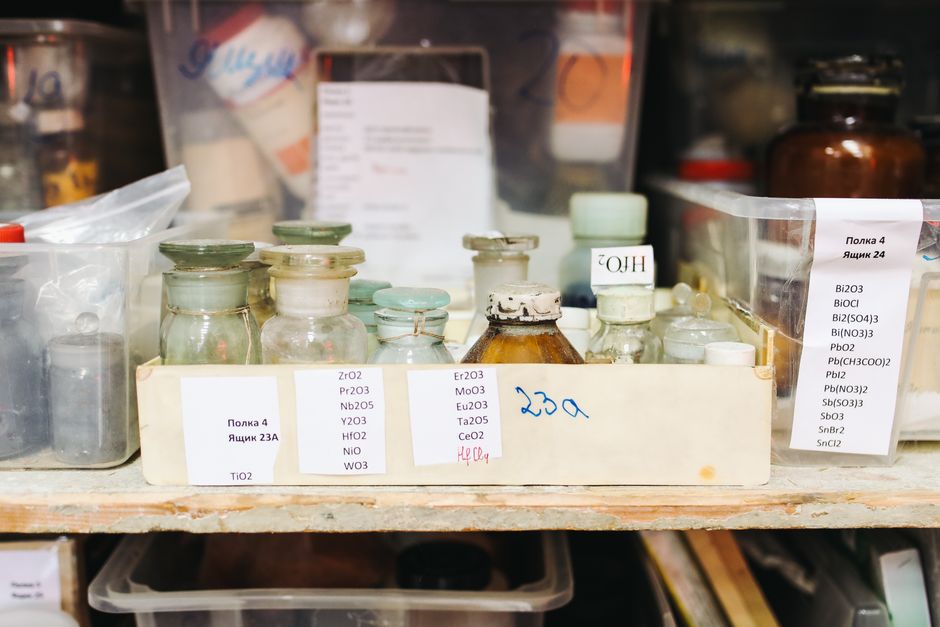
Why Chemical Raw Material Inventory Management Matters
Chemical raw materials are the backbone of countless industries, from pharmaceuticals and agrochemicals to plastics, coatings, and personal care products. Unlike finished goods, these materials often come with strict storage requirements, limited shelf lives, and significant safety considerations. Poor inventory practices can lead to production delays, financial losses, compliance violations, and even workplace hazards. Implementing best practices for chemical raw material inventory is not just about counting drums—it is about creating a resilient, compliant, and cost-effective supply chain.
In this comprehensive guide, we will explore proven strategies to optimize your chemical inventory, reduce waste, ensure safety, and improve operational efficiency. Whether you manage a small laboratory or a large-scale manufacturing plant, these principles will help you gain control over your most critical inputs.

1. Understand Your Chemical Inventory Profile
Before you can improve inventory management, you need a clear picture of what you store. Chemical raw materials vary widely in hazard class, physical state, shelf life, and demand patterns. Start by categorizing your inventory based on:
- Hazard classification: Flammables, corrosives, oxidizers, toxics, and reactives each require specific storage and handling protocols.
- Shelf life: Some chemicals degrade quickly (e.g., certain peroxides, enzymes), while others remain stable for years.
- Demand frequency: Fast-moving items versus slow-moving or seasonal materials.
- Value and criticality: High-value or single-source materials that are essential for production.
Conduct a thorough audit of your current inventory. Record quantities, lot numbers, expiration dates, and storage locations. This baseline data will inform your reorder points, safety stock levels, and storage layout.

2. Implement a Robust Inventory Management System
Spreadsheets may work for small operations, but as your chemical inventory grows, they become error-prone and difficult to scale. A dedicated inventory management system—either standalone or integrated with your ERP—can automate tracking, provide real-time visibility, and generate alerts for low stock or expiring materials.
Key Features to Look For
- Barcode or RFID tracking: Speeds up receiving, picking, and cycle counting while reducing human error.
- Lot and batch tracking: Essential for traceability, recalls, and quality control.
- Expiration date management: Automatic notifications for materials approaching their shelf life limit.
- Hazardous material documentation: Integration with SDS (Safety Data Sheets) and regulatory reporting.
- Multi-location support: Manage inventory across warehouses, production floors, and satellite storage areas.
When selecting a system, involve your warehouse team, EHS (Environment, Health, and Safety) officers, and procurement specialists. Their input ensures the system meets practical needs and regulatory requirements.
3. Adopt FIFO and FEFO Principles
First-In, First-Out (FIFO) and First-Expired, First-Out (FEFO) are fundamental to chemical inventory management. FIFO ensures that older stock is used before newer arrivals, reducing the risk of expired materials accumulating. FEFO takes this a step further by prioritizing materials with the earliest expiration dates, regardless of when they were received.
To implement these principles effectively:
- Label every container with the receiving date and expiration date.
- Arrange storage racks so that older containers are easily accessible at the front.
- Train staff to pick according to FIFO/FEFO rules and conduct regular audits to ensure compliance.
- Use your inventory system to flag items that are nearing expiry and prompt action—whether that means using them first, returning them to the supplier, or disposing of them safely.
4. Optimize Storage Conditions and Safety
Chemical raw materials must be stored under conditions that preserve their integrity and prevent accidents. Incompatible chemicals should never be stored together, as reactions can cause fires, explosions, or toxic gas releases. Follow these storage best practices:
Segregation and Compatibility
- Store acids separately from bases, oxidizers away from organics, and water-reactive materials in dry areas.
- Use secondary containment for liquid chemicals to contain spills.
- Keep flammable materials in approved flammable storage cabinets or dedicated rooms with proper ventilation.
Environmental Controls
- Maintain temperature and humidity within the ranges specified on the SDS.
- Protect light-sensitive chemicals from direct sunlight.
- Ensure adequate ventilation to prevent vapor accumulation.
Safety Infrastructure
- Install eyewash stations, safety showers, and fire extinguishers near storage areas.
- Post clear signage indicating hazard classes and handling instructions.
- Conduct regular inspections and drills to keep safety top of mind.
5. Establish Accurate Demand Forecasting
Overstocking ties up capital and increases the risk of expiration, while understocking can halt production. Accurate demand forecasting balances these risks. Use historical consumption data, production schedules, and market trends to predict future needs. Collaborate closely with production, sales, and procurement teams to incorporate upcoming projects, seasonal fluctuations, and supplier lead times.
Consider adopting a just-in-time (JIT) approach for stable, high-volume materials, but maintain safety stock for critical or long-lead-time items. A hybrid strategy often works best: JIT for predictable demand and buffer stock for volatile or essential chemicals.
6. Conduct Regular Cycle Counts and Audits
Physical inventory counts are essential to verify that your records match reality. Instead of annual full counts, implement cycle counting—counting a subset of items on a rotating schedule. This approach minimizes disruption, uncovers discrepancies early, and improves inventory accuracy over time.
During audits, check for:
- Quantity discrepancies between system records and physical stock.
- Damaged, leaking, or deteriorated containers.
- Expired materials that need disposal.
- Mislabeled or unlabeled containers.
- Compliance with storage segregation rules.
Document findings and take corrective actions promptly. Root-cause analysis can reveal process gaps, such as receiving errors or unauthorized withdrawals.
7. Train Staff and Foster a Safety Culture
Even the best systems fail without trained personnel. Provide comprehensive training on chemical handling, storage, inventory procedures, and emergency response. Ensure that everyone understands the importance of accurate record-keeping and adherence to safety protocols.
Encourage open communication: staff should feel comfortable reporting near-misses, spills, or inventory issues without fear of blame. Recognize and reward teams that maintain high accuracy and safety standards. A culture of accountability and continuous improvement is your strongest defense against inventory-related risks.
8. Leverage Data and Continuous Improvement
Your inventory system generates valuable data. Use it to identify trends, such as slow-moving items, frequent stockouts, or high expiration rates. Set key performance indicators (KPIs) like inventory turnover ratio, carrying cost percentage, and expiration write-off rate. Review these metrics regularly and set improvement targets.
Consider implementing a plan-do-check-act (PDCA) cycle for inventory management. Pilot new strategies, measure results, and scale what works. Continuous improvement is not a one-time project—it is an ongoing commitment.
9. Manage Supplier Relationships and Lead Times
Your inventory levels are directly influenced by supplier reliability and lead times. Build strong partnerships with key suppliers to ensure consistent quality, timely delivery, and favorable terms. Negotiate agreements that allow for flexible order quantities, especially for materials with long lead times or volatile demand.
Explore dual-sourcing for critical materials to mitigate supply chain disruptions. Maintain open communication about your forecasts and capacity constraints. A collaborative approach can lead to vendor-managed inventory (VMI) arrangements, where suppliers monitor and replenish your stock, reducing your administrative burden.
10. Plan for Disposal and Waste Reduction
Despite best efforts, some chemicals will expire or become obsolete. Proper disposal is essential to comply with environmental regulations and avoid penalties. Work with licensed waste disposal contractors and maintain detailed records of all disposals.
To minimize waste, focus on prevention: accurate forecasting, FIFO/FEFO, and regular reviews of slow-moving stock. Consider redistributing unused materials to other departments or facilities, or returning them to suppliers if permitted. Some chemicals can be reconditioned or recycled, further reducing waste and cost.
Conclusion
Best practices for chemical raw material inventory management combine technology, process discipline, and a strong safety culture. By understanding your inventory profile, implementing robust systems, adhering to FIFO/FEFO, optimizing storage, forecasting demand, and continuously improving, you can reduce costs, enhance safety, and ensure your operations run smoothly. Start with a thorough assessment, prioritize the changes with the greatest impact, and engage your team every step of the way. Effective chemical inventory management is not just a back-office function—it is a strategic advantage that protects your people, your profits, and your reputation.
 English
 简体中文
简体中文 Русский
 Español
 Deutsch