
Introduction to Green Chemical Raw Materials
The chemical industry is at a pivotal moment. As global demand for manufactured goods rises, so does the pressure to reduce environmental impact. Green chemical raw materials—also known as sustainable or bio-based feedstocks—are transforming how manufacturers approach production. These materials are derived from renewable sources, designed to minimize toxicity, and often produced through energy-efficient processes. For companies in the chemical raw materials sector, embracing green alternatives is no longer a niche strategy; it is a competitive necessity.
This guide explores the landscape of green chemical raw materials, from bio-based solvents to recycled feedstocks. We will examine their benefits, practical applications, and the steps manufacturers can take to integrate them into existing operations. Whether you are a procurement manager, a process engineer, or a sustainability officer, this article provides actionable insights to help you navigate the transition.
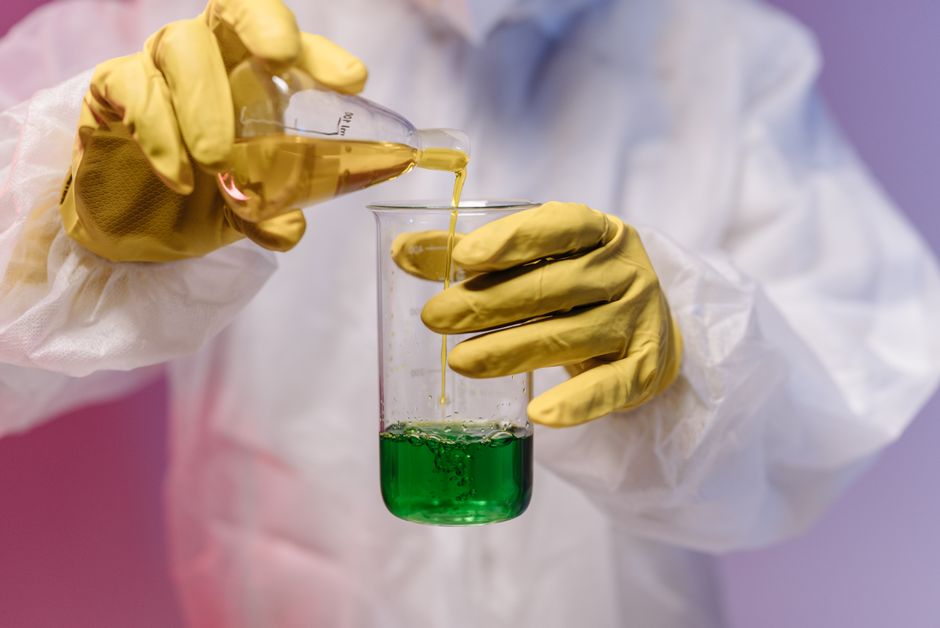
What Are Green Chemical Raw Materials?
Green chemical raw materials are feedstocks that have a reduced environmental footprint compared to conventional petrochemical counterparts. They are characterized by several key attributes:
- Renewable origin: Derived from biomass, such as plant oils, agricultural residues, or algae.
- Low toxicity: Safer for human health and ecosystems, reducing the need for hazardous waste disposal.
- Energy efficiency: Produced via processes that consume less energy or utilize renewable energy sources.
- Biodegradability: Many green materials break down naturally, minimizing persistent pollution.
- Circularity: Often sourced from waste streams or designed for recycling.
Examples include bio-based ethylene from sugarcane, polylactic acid (PLA) from corn starch, and recycled solvents from industrial waste. These materials can often drop into existing manufacturing processes with minimal modification, making them attractive for incremental sustainability improvements.

Why Sustainable Manufacturing Matters
The push for sustainable manufacturing is driven by a confluence of regulatory, economic, and social factors. Governments worldwide are tightening environmental regulations, imposing carbon pricing, and banning certain hazardous substances. Consumers are increasingly favoring products with eco-friendly credentials, and investors are scrutinizing ESG performance. For chemical manufacturers, ignoring these trends risks regulatory penalties, reputational damage, and lost market share.
Moreover, sustainable manufacturing offers tangible business benefits. It can reduce raw material costs through waste valorization, lower energy expenses, and open doors to new markets. Companies that lead in green chemistry often enjoy first-mover advantages, including premium pricing and stronger customer loyalty.
Key Categories of Green Chemical Raw Materials
1. Bio-Based Feedstocks
Bio-based feedstocks are derived from renewable biological resources. They include:
- Plant oils: Soybean, palm, and rapeseed oils are used to produce biodiesel, surfactants, and lubricants.
- Starch and sugars: Corn, sugarcane, and wheat provide glucose for fermentation into platform chemicals like lactic acid and succinic acid.
- Lignocellulosic biomass: Agricultural residues (straw, husks) and wood waste can be converted into bioethanol and other chemicals.
- Algae: Fast-growing algae produce oils and other compounds suitable for biofuels and bioplastics.
Bio-based feedstocks can significantly reduce carbon emissions if sourced sustainably. However, challenges include land use competition, water consumption, and the need for efficient conversion technologies.
2. Recycled and Reclaimed Materials
Recycling chemical raw materials closes the loop on production. Examples include:
- Recycled solvents: Spent solvents from pharmaceutical or electronics manufacturing can be purified and reused.
- Plastic waste: Chemical recycling breaks down mixed plastics into monomers or fuels, reducing reliance on virgin fossil fuels.
- By-products: Many industrial processes generate by-products that can serve as feedstocks for other industries, such as glycerol from biodiesel production.
Recycled materials reduce waste sent to landfill and lower the carbon footprint associated with virgin material extraction. Advanced sorting and purification technologies are making recycled feedstocks more viable for high-purity applications.
3. Green Solvents
Solvents are ubiquitous in chemical manufacturing, but traditional solvents like dichloromethane and toluene pose health and environmental risks. Green solvents offer safer alternatives:
- Water: The ultimate green solvent, used in many aqueous reactions.
- Bio-based solvents: Ethyl lactate, derived from corn, and d-limonene, from citrus peels, are biodegradable and low-toxicity.
- Supercritical CO2: Non-toxic and recyclable, used for extraction and cleaning.
- Ionic liquids: Designer solvents with low volatility, though their long-term environmental impact is still under study.
Switching to green solvents can improve worker safety, reduce VOC emissions, and simplify waste disposal.
4. Catalysts and Process Aids
Green catalysts enhance reaction efficiency while reducing energy and waste. Examples include enzymes (biocatalysts) that operate under mild conditions, and heterogeneous catalysts that are easily separated and reused. These innovations enable more atom-economical processes, meaning more raw material ends up in the final product and less becomes waste.
Benefits of Adopting Green Raw Materials
Transitioning to green chemical raw materials yields a multitude of benefits:
- Environmental impact: Lower carbon emissions, reduced water usage, and less hazardous waste.
- Regulatory compliance: Stay ahead of evolving regulations like REACH and TSCA.
- Cost savings: Reduced disposal costs, energy savings, and potential tax incentives.
- Brand reputation: Enhanced sustainability profile attracts eco-conscious customers and partners.
- Innovation: Access to new chemistries and performance advantages.
- Supply chain resilience: Diversify away from volatile fossil fuel markets.
These benefits compound over time, making green raw materials a strategic investment rather than a short-term expense.
Challenges and How to Overcome Them
Despite the advantages, adopting green raw materials comes with hurdles. Common challenges include:
- Cost parity: Green materials can be more expensive than petrochemical equivalents. Solution: Factor in total cost of ownership, including waste disposal and regulatory risk.
- Performance gaps: Some green alternatives may not match conventional performance. Solution: Work with suppliers to tailor formulations and conduct thorough testing.
- Supply chain maturity: Availability may be limited. Solution: Partner with emerging suppliers and consider long-term contracts.
- Technical knowledge: Teams may lack expertise. Solution: Invest in training and collaborate with research institutions.
- Certification and standards: Navigating sustainability certifications can be complex. Solution: Use recognized standards like USDA BioPreferred or ISCC PLUS.
By addressing these challenges proactively, manufacturers can smooth their transition and unlock the full potential of green chemistry.
Practical Tips for Integrating Green Raw Materials
Ready to make the switch? Here are practical steps to integrate green chemical raw materials into your operations:
- Conduct a lifecycle assessment (LCA): Evaluate the environmental impact of your current raw materials to identify hotspots.
- Start with low-hanging fruit: Replace solvents or catalysts that have readily available green alternatives.
- Engage suppliers: Communicate your sustainability goals and ask for green product portfolios.
- Pilot projects: Test green materials in a controlled setting before full-scale rollout.
- Invest in R&D: Develop proprietary processes that leverage green feedstocks.
- Certify and communicate: Obtain certifications and share your success stories with stakeholders.
- Monitor and optimize: Continuously track performance and seek further improvements.
These steps can be adapted to companies of any size, from startups to multinational corporations.
Case Studies: Success Stories in Green Manufacturing
Several companies have already reaped the rewards of green chemical raw materials. For instance, a major cosmetics manufacturer replaced petrochemical-derived surfactants with bio-based alternatives, reducing its carbon footprint by 30% and appealing to environmentally conscious consumers. Another example is a plastics producer that switched to recycled PET feedstock, diverting thousands of tons of plastic waste from landfills while cutting production costs.
In the pharmaceutical sector, a drug manufacturer adopted green solvents for API synthesis, improving worker safety and reducing hazardous waste disposal fees. These cases demonstrate that sustainability and profitability can go hand in hand.
Future Trends in Green Chemical Raw Materials
The field of green chemistry is rapidly evolving. Emerging trends include:
- Advanced recycling: Technologies like pyrolysis and depolymerization are making it possible to recycle previously unrecyclable plastics.
- Carbon capture and utilization (CCU): Using captured CO2 as a raw material for chemicals like methanol and polycarbonates.
- Biotechnology: Engineered microbes and enzymes are enabling new bio-based pathways.
- Digitalization: AI and machine learning are accelerating the discovery of green catalysts and formulations.
- Circular economy models: Companies are designing products for reuse and recycling from the outset.
Staying abreast of these trends will help manufacturers maintain a competitive edge.
Conclusion: Embracing the Green Transition
Green chemical raw materials are not just a passing fad; they represent the future of sustainable manufacturing. By adopting bio-based feedstocks, recycled materials, green solvents, and efficient catalysts, companies can reduce their environmental impact, comply with regulations, and gain a strategic advantage. While challenges exist, they are surmountable with careful planning and collaboration. Now is the time to act. Start by assessing your current raw material portfolio, engage with suppliers, and pilot green alternatives. The transition to sustainable manufacturing is a journey, but every step brings you closer to a more resilient and responsible operation.
For more information on green chemical raw materials and how to source them, contact our team of experts. Together, we can build a greener future for the chemical industry.
 English
 简体中文
简体中文 Русский
 Español
 Deutsch