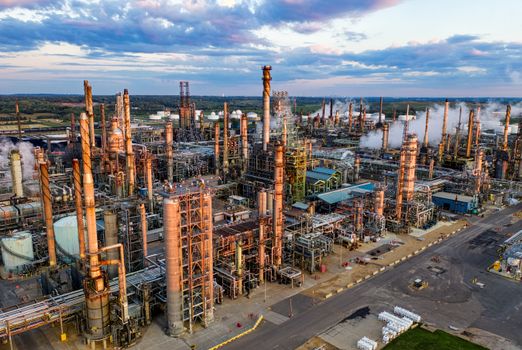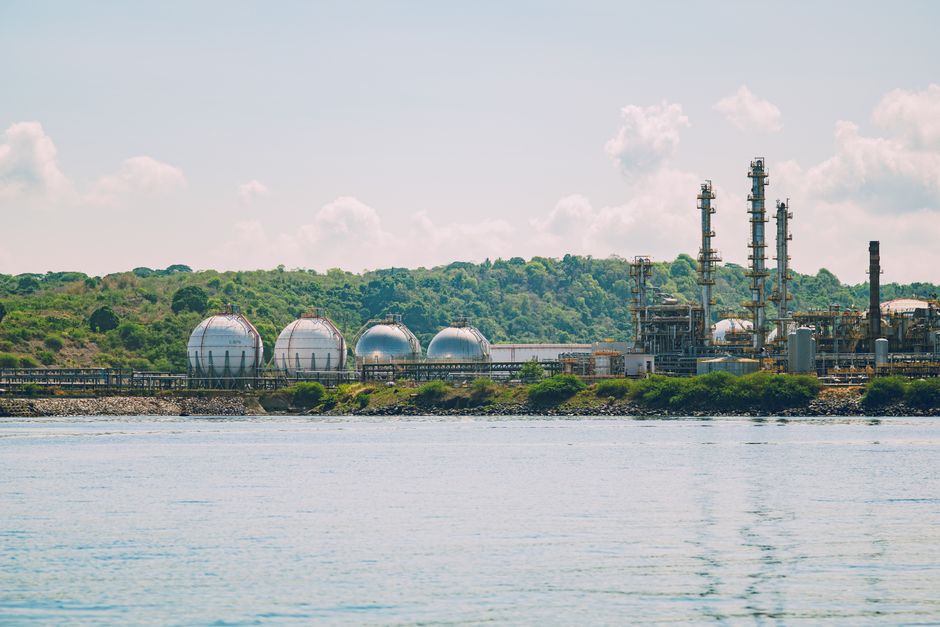
Introduction: Why the Chemical Raw Materials Industry Is at a Turning Point
The chemical raw materials industry sits at the foundation of nearly every manufactured product on earth — from pharmaceuticals and fertilizers to plastics, coatings, batteries, and semiconductors. As global demand rises and environmental regulations tighten, the sector is undergoing its most significant transformation in decades. Understanding where the industry is heading is essential for manufacturers, procurement managers, investors, and anyone whose business depends on reliable access to chemical feedstocks.
This guide explores the key forces shaping the future of chemical raw materials, including sustainability, digitalization, supply chain resilience, and the rise of bio-based alternatives. We will also provide practical tips for companies looking to future-proof their sourcing strategies.
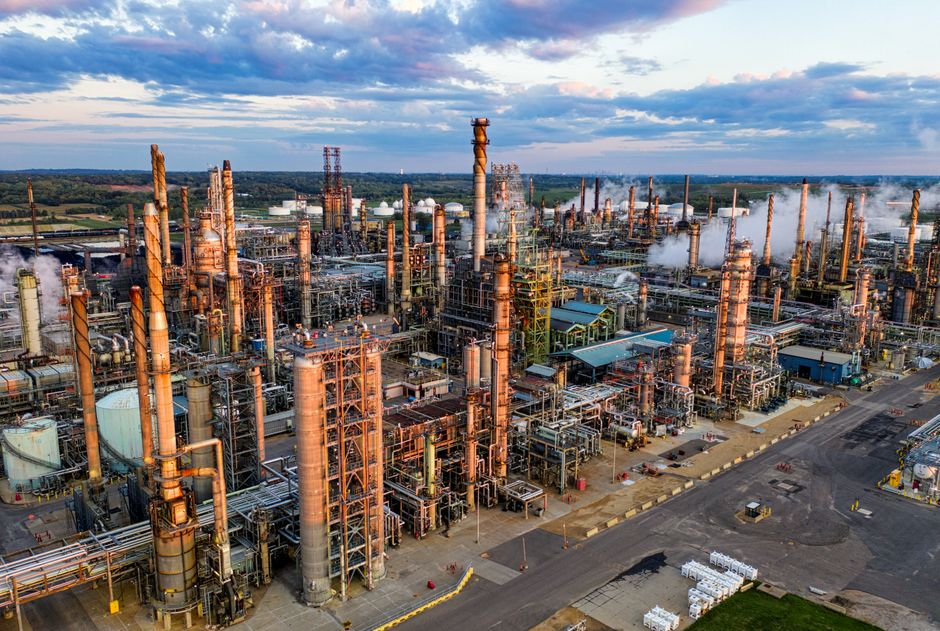
Key Trends Reshaping Chemical Raw Materials
1. The Shift Toward Green and Bio-Based Feedstocks
One of the most visible trends is the move away from purely petroleum-derived feedstocks toward renewable and bio-based alternatives. Bio-ethanol, bio-methanol, vegetable oils, and agricultural waste are increasingly used to produce platform chemicals such as ethylene, propylene, and acetic acid.
Drivers include:
- Corporate net-zero commitments from major chemical buyers
- Government incentives and carbon pricing mechanisms
- Consumer preference for sustainable products
- Volatility in fossil fuel prices
Companies that invest early in bio-based supply chains often gain a marketing advantage and hedge against future carbon regulations.
2. Circular Economy and Chemical Recycling
The circular economy is no longer a buzzword — it is becoming a regulatory and commercial reality. Chemical recycling technologies, such as pyrolysis and depolymerization, allow plastic waste to be converted back into raw materials. This reduces dependence on virgin feedstocks and helps close the loop.
Major chemical producers are forming partnerships with waste management firms to secure feedstock for these processes. For buyers of raw materials, this means new grades of recycled-content chemicals will enter the market, often at competitive prices as technology scales.
3. Digitalization and Smart Manufacturing
Digital tools are transforming how chemical raw materials are produced, traded, and tracked. Key developments include:
- AI-driven process optimization to reduce energy consumption and waste
- Blockchain-based traceability for verifying the origin and sustainability of materials
- IoT sensors for real-time monitoring of storage conditions and logistics
- Digital marketplaces that connect buyers and sellers more efficiently
These technologies improve transparency, reduce transaction costs, and help companies respond faster to supply disruptions.
4. Supply Chain Resilience and Regionalization
The pandemic and geopolitical tensions exposed the fragility of global chemical supply chains. In response, many companies are diversifying suppliers, building regional inventories, and nearshoring production. Regions such as Southeast Asia, the Middle East, and Eastern Europe are emerging as important hubs for chemical raw materials.
For procurement teams, resilience now matters as much as cost. Dual sourcing, long-term contracts, and strategic stockpiles are becoming standard practice.
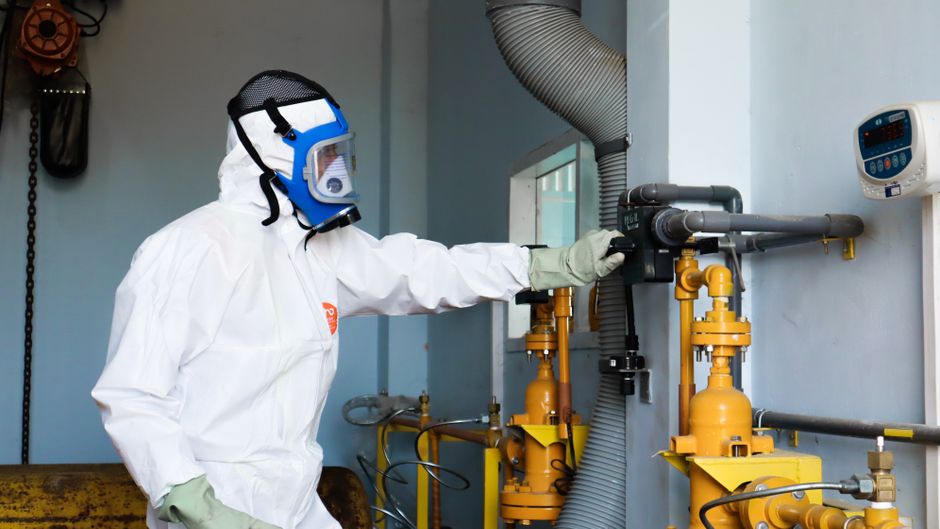
Emerging Technologies and Materials
Advanced Catalysts and Process Intensification
New catalyst technologies enable chemical reactions to occur at lower temperatures and pressures, significantly reducing energy use and emissions. Process intensification — combining multiple unit operations into a single compact system — is also gaining traction, especially for specialty chemicals.
Electrification of Chemical Production
Electrically heated furnaces and electrochemical routes for producing hydrogen, chlorine, and other basics are being piloted at scale. If powered by renewable electricity, these processes could dramatically lower the carbon footprint of chemical raw materials.
CO2 as a Raw Material
Carbon capture and utilization (CCU) is turning carbon dioxide from a waste product into a feedstock for chemicals such as methanol, polycarbonates, and synthetic fuels. While still niche, CCU is attracting strong investment and could become a mainstream source of carbon in the coming decade.
Regulatory and Market Forces
Regulations such as the EU's REACH, the US Toxic Substances Control Act (TSCA), and China's chemical inventory rules continue to shape what can be produced and sold. Upcoming changes include stricter limits on PFAS, expanded reporting on microplastics, and mandatory recycled content targets.
Market forces are equally powerful:
- Rising demand from the battery, semiconductor, and pharmaceutical sectors
- Consolidation among chemical producers
- Growing influence of ESG criteria in investment decisions
- Price volatility linked to energy markets
Practical Tips for Sourcing Chemical Raw Materials in a Changing Industry
- Diversify your supplier base. Avoid single-source dependencies for critical materials.
- Invest in traceability. Use digital tools to document origin, quality, and sustainability credentials.
- Evaluate total cost of ownership. Consider logistics, compliance, and environmental costs — not just unit price.
- Build strategic partnerships. Long-term relationships with reliable suppliers can secure preferential access during shortages.
- Monitor regulatory changes. Subscribe to industry alerts and work with compliance experts.
- Explore green alternatives. Test bio-based and recycled-content materials in your processes early.
- Plan for volatility. Maintain buffer stocks for essential raw materials and hedge where appropriate.
Regional Outlook: Where Growth Is Happening
| Region | Key Strengths | Future Outlook |
|---|
| Asia-Pacific | Large-scale production, low costs | Continued dominance, but rising environmental compliance costs |
| North America | Shale gas feedstock, innovation | Growth in specialty and green chemicals |
| Europe | Strong regulation, circular economy leadership | Shift toward high-value, sustainable products |
| Middle East | Low-cost petrochemicals | Diversification into downstream and renewables |
| Latin America | Bio-based feedstocks, agriculture | Emerging hub for bio-chemicals |
What the Future Holds: Predictions for 2030 and Beyond
By 2030, the chemical raw materials industry will look markedly different. We can expect:
- A significant share of chemicals derived from renewable or recycled sources
- Wider adoption of digital product passports for chemicals
- More regional, resilient supply chains
- Increased consolidation and cross-industry partnerships
- New classes of materials designed for recyclability and low toxicity
Companies that embrace these changes will be better positioned to compete, comply with regulations, and meet customer expectations.
Conclusion: Preparing for the Next Decade
The future of the chemical raw materials industry is being written today through investments in sustainability, technology, and supply chain resilience. Whether you are a producer, distributor, or buyer, staying informed and adaptable is the key to success. By understanding the trends outlined in this guide and applying the practical tips, you can turn industry disruption into a competitive advantage.
At our company, we are committed to supplying high-quality chemical raw materials while supporting the transition to a more sustainable and efficient industry. Contact us to learn how we can support your sourcing needs today and in the future.
 English
 简体中文
简体中文 Русский
 Español
 Deutsch