 English
 简体中文
简体中文 Русский
 Español
 Deutsch
Supply programme
Chemical Raw Material Market Analysis Report 2024
In-depth 2024 chemical raw material market analysis: trends, regional insights, pricing, challenges, and opportunities. Stay ahead in the chemical industry.
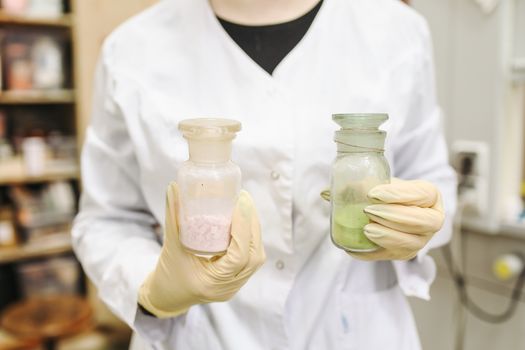

Chemical Raw Material Market Analysis Report 2024: Trends, Challenges, and Opportunities
The global chemical raw material market is the backbone of modern manufacturing, supplying essential inputs for industries ranging from pharmaceuticals and agriculture to plastics, textiles, and electronics. In 2024, the market is navigating a complex landscape shaped by post-pandemic supply chain realignments, geopolitical tensions, sustainability mandates, and rapid technological innovation. This comprehensive analysis breaks down the key segments, regional dynamics, pricing trends, and strategic insights that procurement teams, investors, and industry stakeholders need to stay competitive.

Market Overview and Size
According to industry estimates, the global chemical raw materials market was valued at approximately USD 5.2 trillion in 2023 and is projected to grow at a CAGR of 4.5% to 5.2% through 2030. This growth is driven by rising demand from emerging economies, the expansion of the pharmaceutical and agrochemical sectors, and the increasing adoption of specialty chemicals in high-tech applications.
The market encompasses a vast array of products, including:
- Basic petrochemicals: Ethylene, propylene, benzene, toluene, xylene
- Inorganic chemicals: Caustic soda, chlorine, sulfuric acid, ammonia
- Polymers: Polyethylene, polypropylene, PVC, polystyrene
- Specialty chemicals: Adhesives, sealants, coatings, electronic chemicals
- Agrochemicals: Fertilizers, pesticides, herbicides
- Pharmaceutical intermediates: APIs, excipients, solvents
Asia-Pacific dominates the market, accounting for over 45% of global consumption, followed by North America and Europe. China remains the largest single producer and consumer, though its growth rate has moderated as the country shifts toward higher-value production.

Key Drivers Shaping the 2024 Market
1. Supply Chain Resilience and Regionalization
The pandemic exposed the fragility of global supply chains, prompting companies to diversify sourcing and move toward regional supply hubs. In 2024, we see increased investment in local production facilities in North America, Europe, and Southeast Asia. The "China plus one" strategy is gaining traction, with countries like India, Vietnam, and Mexico benefiting from redirected manufacturing.
2. Sustainability and Green Chemistry
Environmental regulations are tightening worldwide. The EU's REACH and the US EPA's Toxic Substances Control Act (TSCA) are pushing manufacturers to adopt greener processes. Demand for bio-based raw materials, recycled polymers, and low-carbon ammonia is surging. Companies that invest in sustainable feedstocks and circular economy models are gaining a competitive edge.
3. Digitalization and Industry 4.0
Digital tools such as AI-driven demand forecasting, blockchain for traceability, and IoT-enabled plant operations are transforming chemical supply chains. In 2024, leading suppliers are using predictive analytics to optimize inventory and reduce downtime, while buyers leverage digital platforms for real-time price transparency and procurement efficiency.
4. Energy Transition and Feedstock Shifts
The shift away from fossil fuels is impacting feedstock availability and pricing. Naphtha and natural gas remain dominant, but bio-naphtha, green hydrogen, and captured CO2 are emerging as alternative feedstocks. This transition is particularly pronounced in Europe, where carbon border adjustment mechanisms (CBAM) are reshaping trade flows.
Regional Market Analysis
| Region | Market Share (2023) | Key Trends | Growth Outlook (2024-2030) |
|---|---|---|---|
| Asia-Pacific | 45% | Capacity expansions, rising domestic demand, export growth | 5.5% CAGR |
| North America | 22% | Shale gas advantage, reshoring, green investments | 4.0% CAGR |
| Europe | 18% | Regulatory pressure, high energy costs, circular economy | 3.2% CAGR |
| Middle East & Africa | 10% | Feedstock advantage, diversification into downstream | 5.0% CAGR |
| Latin America | 5% | Agrochemical demand, infrastructure gaps | 4.3% CAGR |
Asia-Pacific: China's petrochemical capacity continues to expand, but overcapacity in certain segments (e.g., polyester, PVC) is pressuring margins. India is emerging as a key growth engine, with major investments in specialty chemicals and pharmaceuticals.
North America: The region benefits from low-cost ethane derived from shale gas, giving it a cost advantage in ethylene and polyethylene production. The Inflation Reduction Act (IRA) is spurring investments in clean hydrogen and carbon capture.
Europe: High energy prices and stringent regulations are forcing plant closures and consolidation. However, Europe leads in specialty and performance chemicals, where innovation and premium pricing offset higher costs.
Middle East & Africa: Countries like Saudi Arabia and the UAE are diversifying into downstream chemicals and specialty products to reduce reliance on crude oil exports.
Latin America: Brazil and Argentina are major agrochemical markets, but political instability and currency fluctuations remain challenges.
Price Trends and Cost Pressures
In 2024, chemical raw material prices have shown mixed signals. After the volatility of 2021-2022, prices for many commodities have stabilized or declined due to weaker demand from key end-markets such as construction and automotive. However, certain segments remain tight:
- Natural gas: Prices in Europe remain elevated compared to the US, impacting ammonia and methanol production.
- Crude oil: Brent crude averaging $80-85 per barrel influences naphtha-based petrochemical costs.
- Caustic soda: Supply constraints and strong demand from alumina refining have pushed prices higher.
- Lithium and cobalt: Prices have corrected from 2022 highs but remain volatile due to EV battery demand.
Procurement teams should consider hedging strategies and long-term contracts to mitigate price risk. Additionally, monitoring energy costs and logistics disruptions is critical.
Challenges Facing the Industry
1. Regulatory Compliance
Increasingly complex regulations—such as the EU's Chemicals Strategy for Sustainability and the US TSCA—require significant investment in compliance and product stewardship. Non-compliance can lead to fines, market bans, and reputational damage.
2. Talent Shortage
The chemical industry faces a skills gap, particularly in digitalization, sustainability, and advanced manufacturing. Companies must invest in training and partnerships with universities to build a future-ready workforce.
3. Geopolitical Risks
Trade tensions, sanctions, and conflicts can disrupt supply chains and access to critical raw materials. The Russia-Ukraine war has affected gas and fertilizer markets, while US-China decoupling impacts electronics chemicals.
4. Environmental Pressure
Carbon emissions and plastic waste are under scrutiny. Chemical companies are under pressure to reduce their carbon footprint, increase recycling, and develop biodegradable alternatives.
Opportunities and Strategic Recommendations
1. Invest in Green Chemistry
Bio-based feedstocks, enzymatic processes, and renewable energy integration offer a path to lower emissions and differentiated products. Companies like BASF, Dow, and Evonik are already investing heavily in this area.
2. Leverage Digital Procurement
Adopting e-procurement platforms and AI-driven analytics can reduce costs, improve supplier collaboration, and enhance supply chain visibility. Real-time data on prices, lead times, and risks enables agile decision-making.
3. Focus on Circular Economy
Chemical recycling, mechanical recycling, and reuse models are gaining traction. Partnerships with waste management firms and brand owners can create closed-loop systems for plastics and other materials.
4. Diversify Sourcing
Reduce dependency on single suppliers or regions. Qualify alternative suppliers in different geographies and maintain strategic inventory buffers for critical raw materials.
5. Collaborate for Innovation
Joint ventures, consortia, and open innovation platforms can accelerate R&D and reduce time-to-market for new specialty chemicals. Engage with startups and research institutions to access cutting-edge technologies.
Outlook for 2025 and Beyond
The chemical raw material market will continue to evolve, driven by sustainability, digitalization, and shifting geopolitical dynamics. Key trends to watch include:
- Carbon pricing: Expansion of emissions trading systems will increase costs for carbon-intensive producers.
- Electrification: Chemical plants will increasingly use renewable electricity for heat and hydrogen production.
- AI and automation: Further adoption of AI for process optimization, predictive maintenance, and supply chain management.
- New materials: Demand for advanced materials in batteries, semiconductors, and healthcare will drive innovation in specialty chemicals.
Companies that proactively adapt to these trends—by investing in sustainability, digital capabilities, and resilient supply chains—will be best positioned to thrive in the coming decade.
Conclusion
The 2024 chemical raw material market is a study in contrasts: robust long-term demand growth against short-term volatility; innovation potential against regulatory and environmental constraints. For procurement professionals, strategic planners, and investors, success lies in understanding the nuances of regional markets, embracing digital and green technologies, and building flexibility into sourcing strategies. By staying informed and agile, stakeholders can navigate the complexities and capitalize on the opportunities that this essential industry presents.
For more insights on chemical raw materials and market intelligence, explore our latest reports and subscribe to our newsletter.
In scope
Browse all Materials frequently supplied with this programme


Keep reading
Other supply programmes
Industrial vs Food Grade Chemicals: Key Differences
Learn the key differences between industrial and food grade chemicals. Compare purity, regulations, and costs. Choose the right grade for your application.
View solutionEco-Friendly Chemical Raw Materials for Cosmetics
Discover 10 eco-friendly chemical raw materials for cosmetics, from biodegradable emulsifiers to upcycled actives. Build sustainable, effective formulas today.
View solutionHow to Verify Chemical Raw Material Quality: 7 Steps
Learn how to verify chemical raw material quality in 7 practical steps. From supplier audits to analytical testing—ensure safety and compliance. Read now!
View solutionCommon Impurities in Chemical Raw Materials & Risks
Learn about common impurities in chemical raw materials, their sources, risks, detection, and how to reduce contamination. Ensure quality and compliance today.
View solutionStart a programme like this
Send the market you sell into, the materials you handle and the packing and documentation you need.