
 English
 简体中文
简体中文 Русский
 Español
 Deutsch
Supply programme
Clean Label Food Additive News: Natural Ingredients Shift
Explore the latest clean label food additive news and the shift to natural ingredients. Learn practical tips, challenges, and future trends. Read now!
Clean Label Food Additive News: The Shift to Natural Ingredients
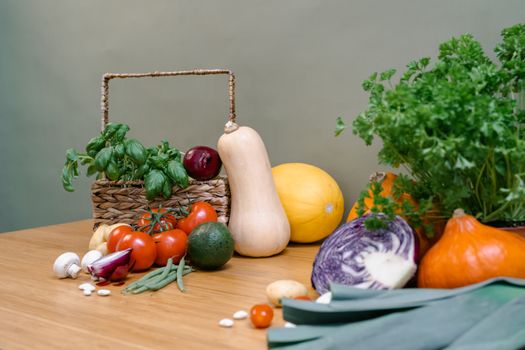
The global food industry is undergoing a fundamental transformation. Consumers are reading labels more carefully than ever before, and they are rejecting products that contain unfamiliar, synthetic-sounding ingredients. This powerful market force has given rise to what the industry now calls the "clean label" movement. For food additive manufacturers, suppliers, and food brands alike, understanding this shift is no longer optional—it is essential for survival and growth.
In this comprehensive guide, we explore the latest clean label food additive news, explain why the shift to natural ingredients is accelerating, examine the technical and regulatory challenges involved, and provide practical strategies for companies navigating this transition.
What Is the Clean Label Movement?
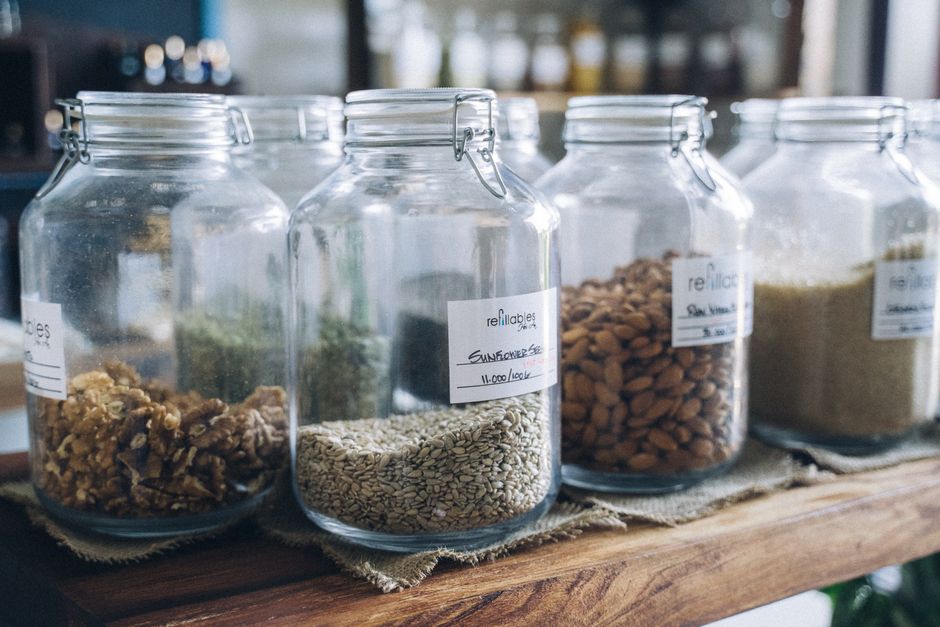
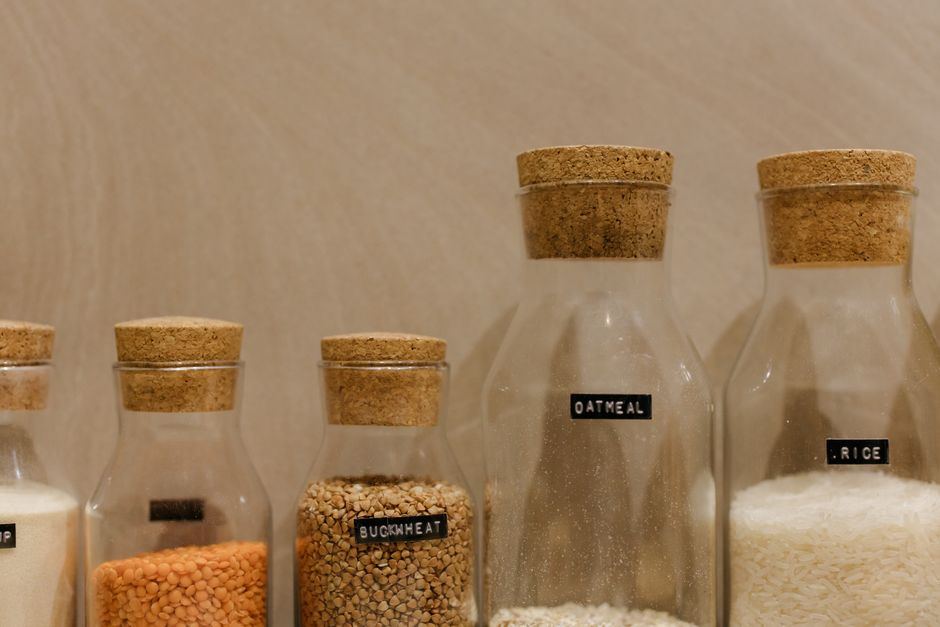
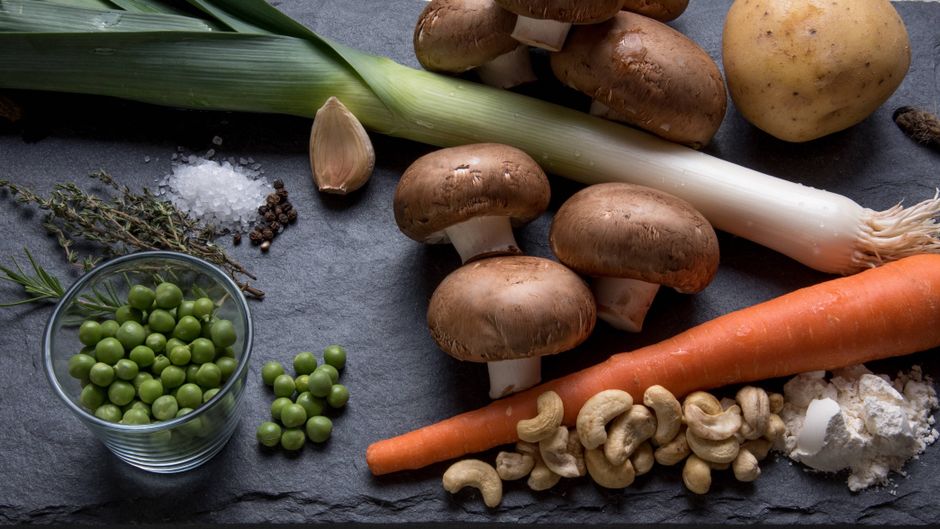
The term "clean label" refers to consumer-driven demand for food products made with recognizable, minimally processed, and naturally derived ingredients. While there is no single legal definition of "clean label," it generally encompasses several core principles:
- Short ingredient lists: Products with fewer additives and simpler formulations.
- Recognizable ingredients: Names that consumers can pronounce and understand.
- Natural origin: Ingredients derived from plants, animals, or minerals rather than synthetic chemistry.
- Transparency: Clear labeling with no hidden or vague terms.
- Minimal processing: Avoidance of artificial preservatives, colors, and flavors.
According to multiple consumer surveys conducted across North America and Europe, more than 60% of shoppers actively avoid artificial additives when possible. This preference spans age groups, income levels, and geographic regions, making clean label a truly mainstream expectation rather than a niche trend.
Why the Shift to Natural Ingredients Is Accelerating
1. Consumer Awareness and Digital Information
Smartphone apps, social media, and online databases have made it easier than ever for consumers to research ingredients. A shopper can scan a barcode and instantly learn whether an additive is linked to health concerns. This transparency has removed the information asymmetry that once protected synthetic additives from scrutiny.
2. Health and Wellness Priorities
The COVID-19 pandemic accelerated a global focus on health and immunity. Consumers increasingly associate natural ingredients with better nutrition and fewer long-term health risks. Additives such as artificial colors, synthetic preservatives, and certain emulsifiers have faced negative publicity, prompting brands to reformulate.
3. Regulatory Pressure
Regulators are responding to consumer sentiment. The European Union has tightened rules on titanium dioxide (E171), and several jurisdictions are reviewing or banning certain synthetic additives. In the United States, the FDA has faced petitions to revoke approvals for several artificial colors. Companies that anticipate these changes gain a competitive advantage.
4. Retailer and Brand Commitments
Major retailers such as Whole Foods, Kroger, and Tesco have implemented clean label standards for their private-label products. Global brands including Nestlé, PepsiCo, and Kraft Heinz have pledged to remove artificial ingredients from significant portions of their portfolios. These commitments cascade through supply chains, forcing additive suppliers to innovate.
Key Categories of Natural Additive Replacements
The transition from synthetic to natural additives is happening across every functional category. Below is a summary of common replacements and their applications.
| Function | Synthetic Additive | Natural Alternative | Common Applications |
|---|---|---|---|
| Color | Red 40, Yellow 5, Blue 1 | Beetroot extract, turmeric, spirulina, paprika | Beverages, confectionery, dairy |
| Preservative | BHA, BHT, sodium benzoate | Rosemary extract, tocopherols, cultured dextrose | Snacks, meats, baked goods |
| Sweetener | Aspartame, saccharin | Stevia, monk fruit, erythritol | Beverages, desserts, tabletop |
| Emulsifier | Polysorbate 80, synthetic lecithin | Sunflower lecithin, soy lecithin, acacia gum | Bakery, dressings, chocolate |
| Flavor Enhancer | MSG, artificial flavors | Yeast extract, mushroom powder, seaweed | Soups, sauces, savory snacks |
Technical Challenges in Natural Additive Formulation
While the shift to natural ingredients is compelling, it is not without significant technical hurdles. Food scientists must address several challenges:
Stability and Shelf Life
Natural colors such as anthocyanins and carotenoids are sensitive to heat, light, and pH changes. They may fade or shift hue during processing and storage. Natural preservatives often have a narrower spectrum of antimicrobial activity than their synthetic counterparts, requiring careful hurdle technology.
Flavor and Off-Notes
Plant extracts can introduce undesirable flavors. For example, rosemary extract, while an effective antioxidant, can impart a pine-like note if overdosed. Formulators must balance functionality with sensory neutrality.
Cost and Supply Chain Variability
Natural ingredients are often more expensive and subject to seasonal availability, crop failures, and geopolitical disruptions. Building resilient supply chains is critical for brands committed to clean label formulations.
Regulatory Complexity
Natural ingredients still require regulatory approval, and the definition of "natural" varies by country. For instance, the EU has specific guidelines for flavoring substances, while the US FDA maintains a case-by-case approach. Companies must navigate this patchwork to ensure compliance.
Practical Tips for Transitioning to Clean Label Additives
Whether you are a food manufacturer, a brand owner, or an additive supplier, the following practical steps can help you succeed in the clean label era.
1. Audit Your Current Formulations
Start by mapping every additive in your portfolio. Identify which ones are likely to face consumer or regulatory pressure. Prioritize reformulation based on risk and market impact.
2. Invest in R&D and Sensory Testing
Natural replacements rarely drop in perfectly. Allocate resources for iterative testing, including accelerated shelf-life studies and consumer sensory panels. Consider partnering with ingredient suppliers that offer technical support.
3. Leverage Hurdle Technology
Combine multiple natural preservation methods—such as reduced water activity, modified atmosphere packaging, and natural antimicrobials—to achieve safety and shelf life without synthetic preservatives.
4. Communicate Transparently
Consumers appreciate honesty. Use clear, simple language on packaging and digital channels. Avoid "clean-washing" by ensuring your claims are substantiated and consistent with actual formulation.
5. Collaborate Across the Supply Chain
Work closely with farmers, extractors, and distributors to secure reliable sources of natural ingredients. Long-term contracts and vertical integration can mitigate supply risks.
6. Monitor Regulatory Developments
Stay informed about additive reviews and labeling requirements in your key markets. Join industry associations and subscribe to regulatory bulletins to anticipate changes.
The Future Outlook: What's Next for Clean Label Additives?
The clean label movement shows no signs of slowing. Several emerging trends will shape the next decade:
- Fermentation-derived ingredients: Precision fermentation is producing natural colors, flavors, and preservatives with consistent quality and lower environmental impact.
- Upcycled additives: Ingredients derived from food side streams, such as fruit peels and seeds, are gaining traction as sustainable and natural alternatives.
- Personalized nutrition: As consumers seek tailored health solutions, additives that offer functional benefits—such as prebiotics and adaptogens—will grow.
- Digital labeling: QR codes and blockchain traceability will provide deeper transparency, reinforcing trust in natural ingredients.
For additive suppliers, the message is clear: innovation in natural ingredients is the path to future growth. Companies that invest in research, build sustainable supply chains, and help customers reformulate will lead the market.
Conclusion
The shift to natural ingredients is transforming the food additive industry. Driven by consumer demand, regulatory pressure, and retail commitments, this clean label revolution is redefining how products are formulated, labeled, and marketed. While challenges remain—stability, cost, and regulatory complexity—the opportunities for forward-thinking companies are immense. By embracing transparency, investing in natural alternatives, and collaborating across the supply chain, food businesses can thrive in the clean label era and deliver products that consumers trust and enjoy.
Stay tuned for more clean label food additive news and insights as the industry continues to evolve.
In scope
Browse all Products frequently supplied with this programme
Keep reading
Other supply programmes
FDA Food Additive Approval News: Latest Updates
Stay current with FDA food additive approval news. Learn how approvals work, recent updates, and practical tips to keep your products compliant.
View solutionFood Additive Market Growth Report: 2025 Insights
Explore the 2025 food additive market growth report: key trends, clean-label shifts, regulations, and practical tips for food manufacturers and suppliers.
View solutionFood Additive Manufacturer News: 2025 Industry Updates
Discover 2025 food additive manufacturer news: regulatory shifts, clean-label innovation, precision fermentation, supply chain resilience, and more. Stay ahead!
View solutionFood Additive Industry Trends Shaping 2025 Market
Discover the top food additive industry trends shaping the 2025 market, from clean-label demand to precision fermentation. Stay ahead—read our expert insights now.
View solutionStart a programme like this
Send the market you sell into, the products you handle and the packing and documentation you need.