
 English
 简体中文
简体中文 Русский
 Español
 Deutsch
Supply programme
Artificial Food Color Company News: Regulatory Changes
Stay ahead of artificial food color regulations. Explore FDA, EFSA & California updates and practical compliance tips for food additive companies.
Introduction: A Turning Point for Artificial Food Colors
The global artificial food color industry is navigating one of the most turbulent regulatory periods in its history. From the European Union's evolving additive re-evaluation program to the United States' California Food Safety Act and the FDA's renewed scrutiny of synthetic dyes, food color manufacturers are being forced to adapt faster than at any point in the last three decades. For companies operating in this space, regulatory change is no longer a background concern — it is the central strategic variable that determines product portfolios, capital investment, and long-term viability.
This in-depth guide examines the latest regulatory developments affecting artificial food color companies, explains what they mean for manufacturers, formulators, and exporters, and provides practical guidance on how businesses can remain compliant while staying competitive.

Why Regulatory Pressure on Artificial Colors Is Intensifying
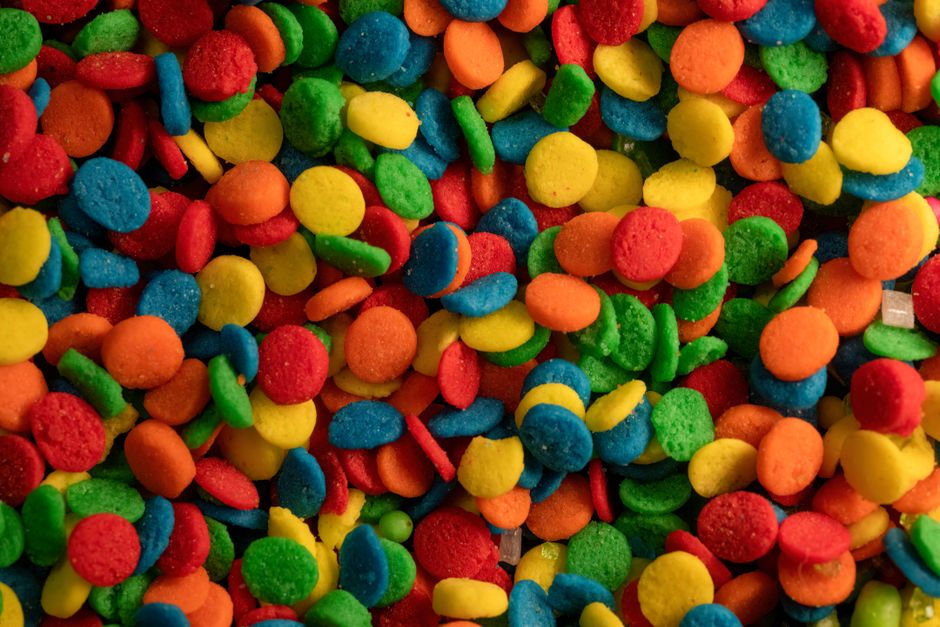
Artificial food colors — including Red 40 (Allura Red), Yellow 5 (Tartrazine), Yellow 6 (Sunset Yellow), Blue 1 (Brilliant Blue), and Blue 2 (Indigotine) — have been used for decades to make processed foods visually appealing. However, a confluence of scientific, political, and consumer-driven factors has pushed regulators worldwide to re-examine their safety profiles.
Key Drivers of Change
- Consumer advocacy and media attention: Campaigns linking synthetic dyes to hyperactivity in children have gained mainstream traction, prompting legislative action.
- New scientific reviews: Updated toxicological assessments, including studies on gut microbiome effects and neurobehavioral outcomes, have raised new questions.
- International divergence: The EU's warning-label requirement for the "Southampton Six" colors stands in contrast to the US's historically permissive stance, creating trade friction.
- State-level legislation: In the absence of federal action, individual US states have begun passing their own restrictions.
Major Regulatory Changes Shaping the Industry
1. The California Food Safety Act and Its Ripple Effects
California's landmark legislation, signed into law in 2023, banned the manufacture, sale, and distribution of foods containing Red 3 (erythrosine), along with potassium bromate, brominated vegetable oil, and propylparaben. Although Red 3 was already restricted in cosmetics, its inclusion in food triggered widespread reformulation across the confectionery, beverage, and snack sectors.
Critically, the law has emboldened other states. Similar bills have been introduced or passed in New York, Illinois, Missouri, and Pennsylvania. For artificial color companies, this patchwork of state regulations is arguably more disruptive than a single federal rule, because it forces separate formulations for different US markets.
2. FDA's Renewed Focus on Synthetic Dyes
The US Food and Drug Administration has signaled a more active posture. In late 2024 and 2025, the agency convened expert panels, funded additional research into neurobehavioral effects, and accelerated reviews of several certified color additives. While the FDA has not announced a blanket ban, the direction of travel is clear: increased scrutiny, potential labeling changes, and possible phase-outs of specific dyes.
3. European Union Re-evaluations and Labeling Rules
The EU already requires the warning label "may have an adverse effect on activity and attention in children" for the Southampton Six. The European Food Safety Authority (EFSA) continues to re-evaluate additives under Regulation (EC) No 1333/2008, and any change in Acceptable Daily Intake (ADI) levels directly impacts permitted usage levels in food products.
4. Asia-Pacific and Latin American Developments
Countries including Japan, South Korea, and Brazil are tightening import standards and aligning more closely with Codex Alimentarius guidance. Export-focused color manufacturers must now track dozens of national regulations simultaneously.
How Regulatory Changes Affect Artificial Food Color Companies
The impact on businesses is multi-layered and extends far beyond simple compliance.
Portfolio Rationalization
Companies are reviewing their color portfolios and identifying which products face the highest regulatory risk. Red 3 and Yellow 5 are frequently cited as the most vulnerable, prompting investment in alternative natural colors such as beetroot red, beta-carotene, spirulina, and anthocyanins.
Reformulation Costs
Reformulating a single product can cost tens of thousands of dollars when stability testing, sensory evaluation, and shelf-life studies are included. For large portfolios, costs can run into millions.
Supply Chain Adjustments
Manufacturers are diversifying raw material sources and building dual supply chains to serve regulated and less-regulated markets. This increases complexity and working capital requirements.
Labeling and Marketing Implications
Products free from synthetic dyes can command premium positioning. Companies that move early can turn regulatory compliance into a marketing advantage.
Practical Tips for Staying Compliant and Competitive
- Build a regulatory monitoring system: Track FDA, EFSA, and state-level updates through official bulletins, industry associations, and legal advisors.
- Conduct a portfolio risk audit: Classify each color by regulatory risk level (high, medium, low) and prioritize reformulation accordingly.
- Invest in natural color R&D: Natural alternatives are not drop-in replacements; they require expertise in stability, pH sensitivity, and light fastness.
- Engage regulators early: Participate in public consultations and provide scientific data to shape outcomes.
- Communicate transparently: Update customers proactively about formulation changes and provide clear documentation.
- Diversify markets: Reduce dependence on any single jurisdiction by expanding into regions with stable regulatory frameworks.
Comparative Overview of Key Regulations
| Region | Key Regulation | Impact on Artificial Colors |
|---|---|---|
| European Union | Regulation (EC) No 1333/2008 | Warning labels for Southampton Six; ongoing EFSA re-evaluations |
| United States (Federal) | FD&C Act, Color Additive Amendments | Certification required; increased FDA scrutiny |
| United States (California) | California Food Safety Act | Bans Red 3 and other additives in foods |
| Japan | Food Sanitation Act | Strict positive list; limited approved synthetic colors |
| Brazil | ANVISA resolutions | Aligning with Codex; tighter import controls |
Future Outlook: What's Next for the Industry
The next five years will likely see continued divergence between jurisdictions. Some markets will phase out certain synthetic colors entirely, while others will maintain them with enhanced labeling. Companies that treat regulatory change as an opportunity — investing in natural alternatives, transparent labeling, and agile supply chains — will be best positioned to thrive.
At the same time, scientific advances in encapsulation, emulsion technology, and bio-based pigments are making natural colors more viable than ever. The artificial food color companies that survive and grow will be those that blend regulatory expertise with genuine innovation.
Conclusion
Regulatory change is reshaping the artificial food color industry at an unprecedented pace. From California's bans to EFSA's re-evaluations and the FDA's renewed scrutiny, the rules of the game are being rewritten. For manufacturers, formulators, and exporters, the message is clear: proactive compliance, investment in alternatives, and transparent communication are no longer optional — they are essential for long-term success. Companies that adapt quickly will not only avoid penalties but will also capture growing consumer demand for safer, cleaner-label products.
In scope
Browse all Products frequently supplied with this programme

Keep reading
Other supply programmes
Top Food Additive Companies 2025: Market Leaders
Discover the top food additive companies of 2025, including Cargill, BASF, and ADM. Learn how these market leaders are driving innovation in clean-label and functional ingredients.
View solutionFood Preservative Company Trends & Innovations 2024
Discover the latest food preservative company trends, from clean-label solutions to smart packaging. Stay ahead with our 2024 industry insights. Read now!
View solutionFDA Food Additive Approval News: Latest Updates
Stay current with FDA food additive approval news. Learn how approvals work, recent updates, and practical tips to keep your products compliant.
View solutionFood Additive Regulations 2025: Compliance Guide
New food additive regulations 2025: EU, FDA, and Asia updates. Learn compliance tips, risks, and reformulation strategies. Act now to avoid recalls.
View solutionStart a programme like this
Send the market you sell into, the products you handle and the packing and documentation you need.