
 English
 简体中文
简体中文 Русский
 Español
 Deutsch
 Oct 14, 2026 Company News
Food Additive M&A News: Top 2025 Deals Explained
Explore the top 2025 food additive M&A deals, from DSM-Firmenich to enzyme mergers. Stay ahead of ingredient industry consolidation trends.
Stay updated on global food additive export and import news, regulations, and market trends. Practical tips for importers and exporters. Read now!
Oct 14, 2026 99
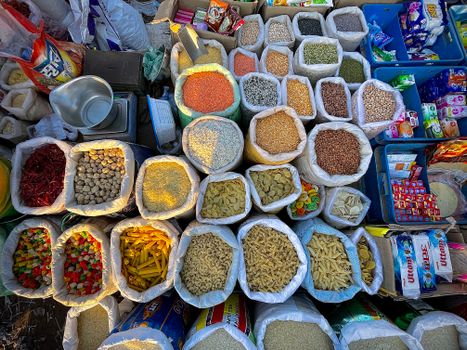
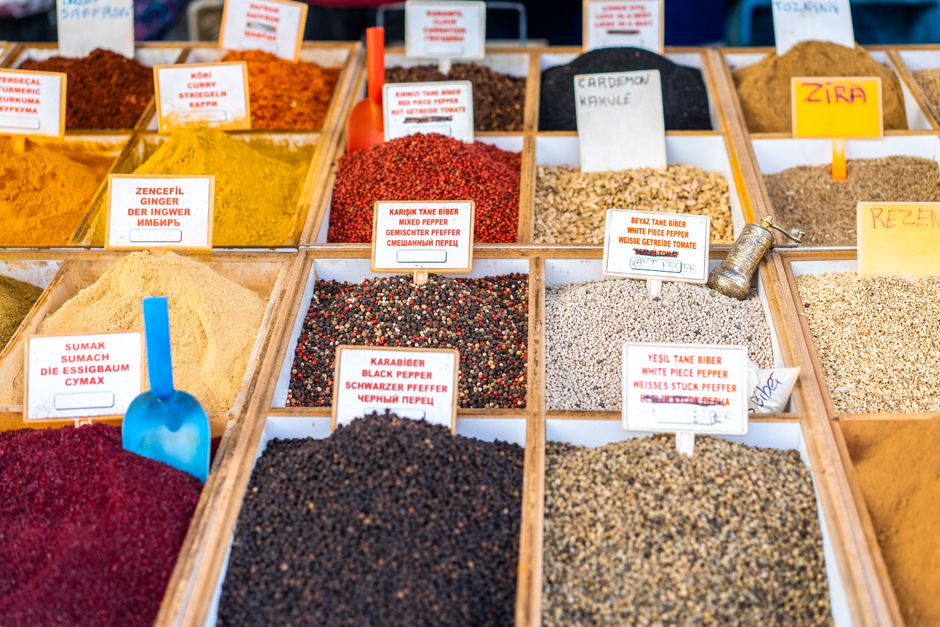
The global food additive market has entered a period of significant transformation. Valued at over USD 60 billion in 2023 and projected to exceed USD 85 billion by 2030, the sector is being reshaped by shifting regulatory frameworks, supply chain realignments, and changing consumer expectations. For importers, exporters, and manufacturers, staying current on trade news is no longer optional — it is a competitive necessity.
This guide breaks down the latest developments in food additive export and import, offering practical insights for businesses navigating this complex and fast-moving market.

Food additives — including preservatives, sweeteners, colorants, emulsifiers, thickeners, and flavor enhancers — are among the most heavily regulated traded goods in the world. A single regulatory change in a major market can ripple across global supply chains within weeks.
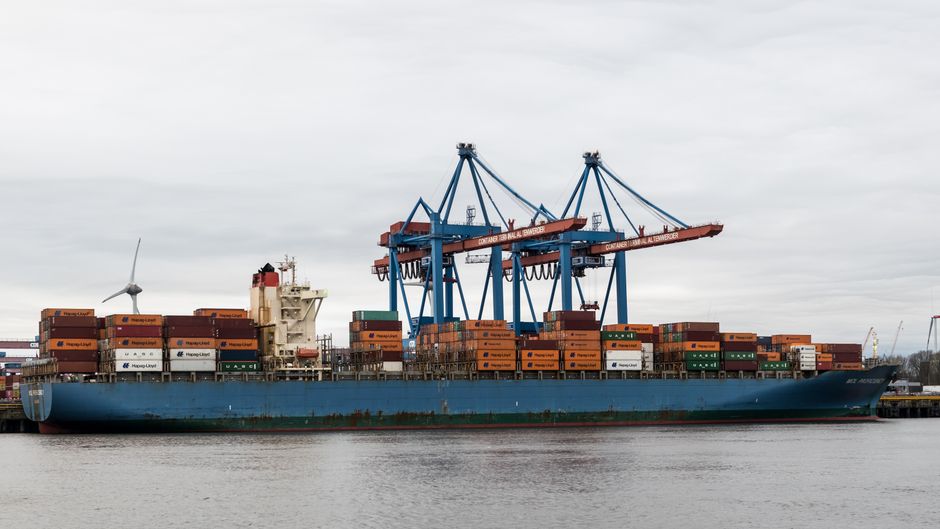
China remains the dominant exporter of food additives, accounting for an estimated 25–30% of global trade volume. Its strengths lie in vitamins, amino acids, sweeteners (including aspartame and sucralose), and preservatives such as sodium benzoate.
Other key exporters include:
| Country/Region | Leading Additive Categories | Notable Trade Trend |
|---|---|---|
| China | Vitamins, sweeteners, preservatives | Expanding to high-value specialty additives |
| Germany | Emulsifiers, stabilizers, enzymes | Strong demand for clean-label products |
| United States | Flavors, hydrocolloids, cultures | Growing exports to Latin America |
| India | Colorants, preservatives, spice extracts | Rising competitiveness in natural additives |
| Netherlands | Starch derivatives, proteins | Hub for EU re-export trade |
The United States, the European Union, and Japan remain the largest import markets by value. However, the fastest growth is occurring in Southeast Asia, the Middle East, and Africa, driven by urbanization, processed food consumption, and expanding food manufacturing capacity.
US imports of food additives continue to rise, particularly for natural colors, plant-based emulsifiers, and sugar substitutes. FDA scrutiny of imported ingredients has intensified, making documentation and compliance critical for exporters.
The EU's stringent EFSA approval process means only additives on the approved list can enter the market. Recent updates have tightened rules on titanium dioxide (E171) and certain nitrites, forcing exporters to reformulate or lose market access.
Countries such as Vietnam, Indonesia, and Thailand are increasing imports of preservatives and flavor enhancers to support growing food processing industries. Lower regulatory barriers make this region attractive for new exporters.
Regulatory changes are the single biggest driver of trade disruption in the food additive sector. Here are the most impactful recent developments:
Exporters should monitor these changes through official channels and industry associations to avoid shipment rejections.
Logistics costs, raw material shortages, and geopolitical tensions have made food additive supply chains more fragile. Yet these same challenges create opportunities for agile businesses.
Whether you are sourcing ingredients or shipping them across borders, these practical steps can protect your business:
Several trends will define the next phase of food additive trade:
The global food additive trade is dynamic, regulated, and full of both risk and opportunity. Success depends on staying informed, compliant, and adaptable. By tracking regulatory updates, diversifying supply chains, and embracing clean-label and digital trends, importers and exporters can turn today's challenges into tomorrow's competitive advantages.
For the latest food additive trade news and industry insights, continue following our company updates and expert analyses.
Send the product, the specification and the limits that cannot move — we return matched products with the differences written out.
Explore the top 2025 food additive M&A deals, from DSM-Firmenich to enzyme mergers. Stay ahead of ingredient industry consolidation trends.
Stay compliant with EU food additive regulation updates. Learn about E171 ban, nitrite limits, EFSA re-evaluations, and practical compliance steps.
Explore the latest food additive safety news, studies, and warnings. Learn which additives are under scrutiny and how to reduce your exposure today.
Tell us the ingredient, the grade or E-number, the assay, the quantity, the packing you need and the destination port. We reply with the matching line, the packing plan, the lead time and the price in one round.