
 English
 简体中文
简体中文 Русский
 Español
 Deutsch
 Oct 14, 2026 Company News
Food Additive M&A News: Top 2025 Deals Explained
Explore the top 2025 food additive M&A deals, from DSM-Firmenich to enzyme mergers. Stay ahead of ingredient industry consolidation trends.
Explore the latest plant-based food additive market trends, innovations, and practical formulation tips. Stay ahead in clean-label food science.
Oct 14, 2026 51


The global food industry is undergoing a seismic shift. As consumers increasingly demand products that are healthier, more sustainable, and ethically produced, plant-based food additives have moved from niche curiosity to mainstream necessity. These ingredients—derived from fruits, vegetables, grains, algae, and other botanical sources—are now essential for creating the textures, colors, flavors, and shelf-stability that modern food products require. This article explores the latest market trends, breakthrough innovations, and practical insights shaping the plant-based additive landscape.
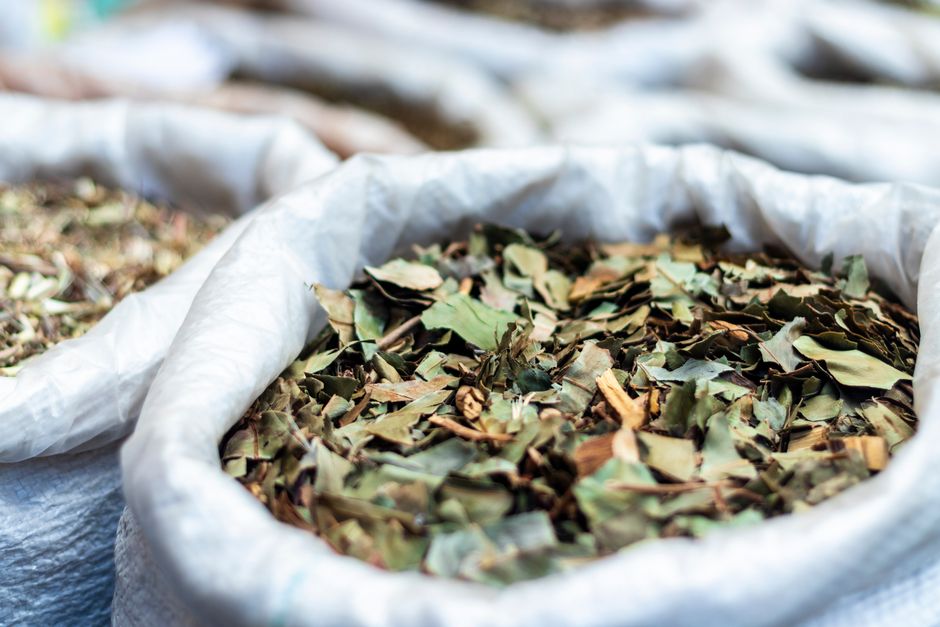
The plant-based food additive market has experienced explosive growth over the past five years. According to recent industry reports, the global market for plant-derived additives is projected to surpass $12 billion by 2030, growing at a compound annual growth rate (CAGR) of 8–10%. This expansion is driven by several interconnected factors.
Modern shoppers scrutinize ingredient lists more than ever. They seek products with recognizable, minimally processed ingredients. Plant-based additives such as pectin, guar gum, and beetroot extract fit this demand perfectly, offering functional benefits without synthetic-sounding names.
Regulatory bodies in the EU, US, and Asia are tightening rules on artificial colors and preservatives. For example, the EU's ban on titanium dioxide (E171) as a food additive has accelerated the search for plant-based white colorants like rice starch and calcium carbonate from algae.
Major food manufacturers—from Nestlé to Unilever—have pledged to source sustainable, plant-based ingredients. This has led to long-term supply agreements with startups producing additives from agricultural side streams, such as citrus peel and oat hulls.

Innovation in this space is rapid and diverse. Here are some of the most promising developments.
Startups are using precision fermentation to produce plant-identical proteins and enzymes that function as additives. For instance, fermented heme proteins can replace nitrites in plant-based meats, providing the same cured color and flavor without synthetic nitrates.
Companies are transforming by-products—such as spent coffee grounds, brewers' yeast, and fruit pomace—into valuable additives. These upcycled ingredients act as thickeners, antioxidants, and natural flavor enhancers, aligning with the circular economy.
Algae are a powerhouse for plant-based additives. Spirulina provides natural blue-green color, while agar and carrageenan from red algae serve as gelling and thickening agents. New microalgae strains are being engineered to produce omega-3 fatty acids and natural preservatives.
Natural preservatives from rosemary extract, green tea extract, and cultured dextrose are gaining traction. They inhibit microbial growth and prevent oxidation, extending shelf life without synthetic chemicals like BHA or BHT.
Understanding the trade-offs between plant-based and synthetic additives is crucial for product developers. The table below summarizes key differences.
| Attribute | Plant-Based Additives | Synthetic Additives |
|---|---|---|
| Consumer Perception | Positive, clean-label | Increasingly negative |
| Cost | Often higher, but decreasing | Generally lower |
| Functionality | Good, but sometimes less consistent | Highly consistent and potent |
| Regulatory Trend | Favorable | Restrictive |
| Sustainability | High (renewable, biodegradable) | Low (petrochemical-derived) |
While plant-based additives may cost more upfront, their long-term value is enhanced by brand differentiation and reduced regulatory risk.
Switching to plant-based additives requires careful reformulation. Here are actionable tips for food scientists and product managers.
Navigating regulations is critical. In the EU, plant-based additives must comply with Regulation (EC) No 1333/2008, which lists approved additives and their conditions of use. In the US, the FDA's GRAS (Generally Recognized as Safe) process is common for novel plant extracts. Key certifications to consider include:
Early engagement with regulatory consultants can save months in time-to-market.
A European confectionery company replaced carmine (insect-derived) with a blend of beetroot extract and black carrot concentrate. The new formulation achieved a stable red hue in gummies, appealed to vegan consumers, and increased sales by 15% in the first year.
A US-based dairy alternative brand used citrus fiber to replace coconut oil in plant-based yogurt. The fiber provided creaminess and reduced fat content by 30%, while maintaining a clean label and improving mouthfeel.
The future is bright and full of potential. Several trends will shape the next decade:
As the market matures, we can expect more standardized offerings, lower costs, and even greater innovation.
Plant-based food additives are no longer a trend—they are a fundamental shift in how we formulate food. From market growth to cutting-edge innovation, the sector offers immense opportunities for brands willing to invest in research, reformulation, and transparent communication. By following the practical tips and staying informed about regulatory changes, food companies can lead the way toward a more sustainable, consumer-friendly future. The time to act is now.
Send the product, the specification and the limits that cannot move — we return matched products with the differences written out.
Explore the top 2025 food additive M&A deals, from DSM-Firmenich to enzyme mergers. Stay ahead of ingredient industry consolidation trends.
Stay compliant with EU food additive regulation updates. Learn about E171 ban, nitrite limits, EFSA re-evaluations, and practical compliance steps.
Explore the latest food additive safety news, studies, and warnings. Learn which additives are under scrutiny and how to reduce your exposure today.
Tell us the ingredient, the grade or E-number, the assay, the quantity, the packing you need and the destination port. We reply with the matching line, the packing plan, the lead time and the price in one round.