
 English
 简体中文
简体中文 Русский
 Español
 Deutsch
 Oct 14, 2026 Company News
Food Additive M&A News: Top 2025 Deals Explained
Explore the top 2025 food additive M&A deals, from DSM-Firmenich to enzyme mergers. Stay ahead of ingredient industry consolidation trends.
Discover the latest sustainable food additives and eco-friendly innovations. Learn how upcycled ingredients and precision fermentation are transforming food.
Oct 14, 2026 242

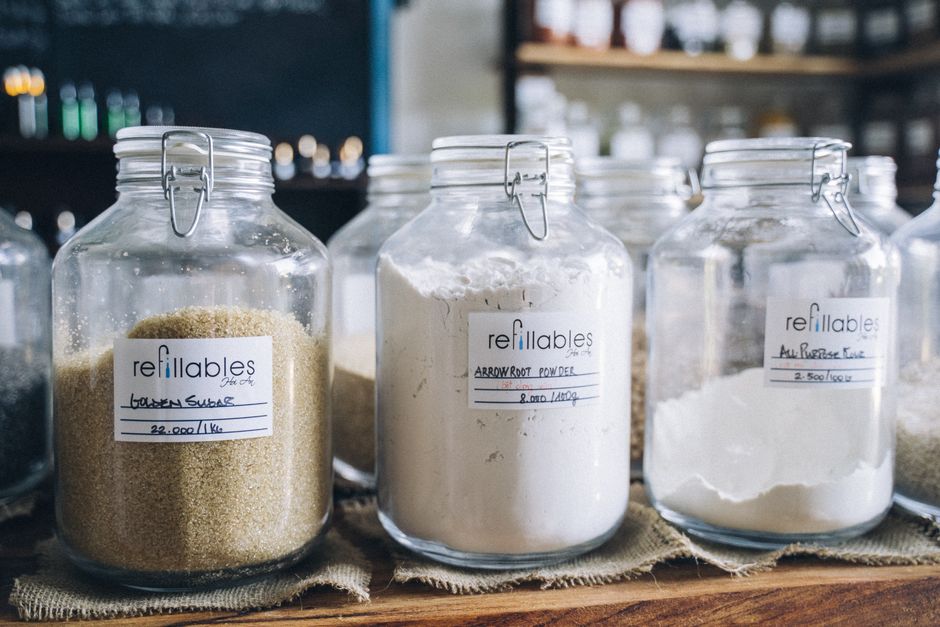
Consumers, regulators, and food manufacturers are aligning around a single expectation: the ingredients in our food should not come at the expense of the planet. Sustainable food additives are no longer a niche experiment—they are a fast-moving category of eco-friendly innovations reshaping how products are preserved, colored, sweetened, and stabilized. From upcycled citrus peel pectin to precision-fermented natural colors, the industry is proving that functionality and environmental responsibility can coexist.
This guide explores the latest sustainable food additives news, the technologies driving change, and practical steps your company can take to adopt greener ingredient strategies without compromising taste, safety, or shelf life.
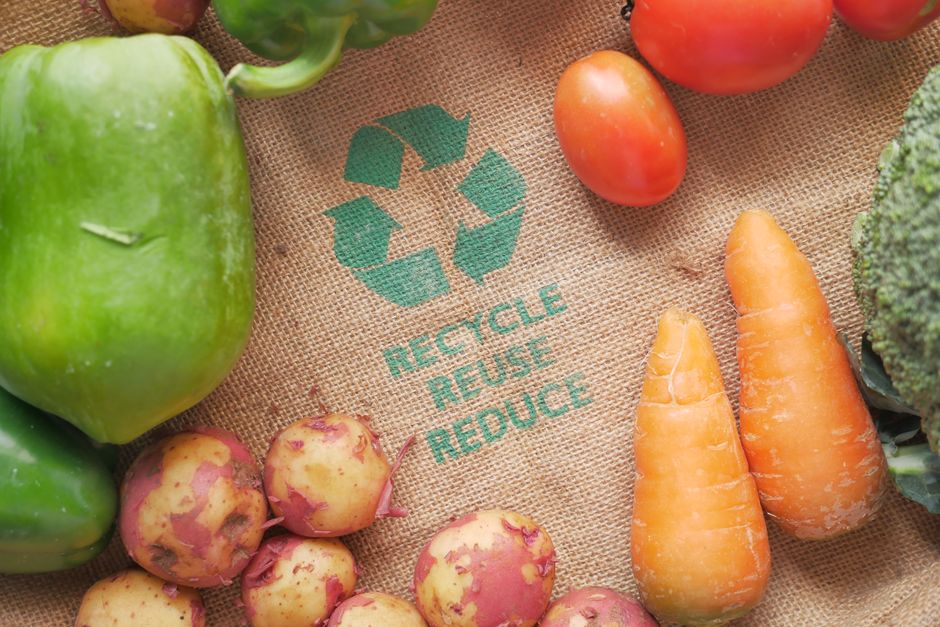
Sustainable food additives are ingredients used in food processing that minimize environmental impact across their lifecycle—from raw material sourcing and production to transport, use, and disposal. They typically meet several of the following criteria:
The category spans preservatives, antioxidants, emulsifiers, thickeners, colors, sweeteners, and flavor enhancers. What unites them is a measurable reduction in environmental footprint compared with conventional alternatives.

Governments worldwide are tightening rules on emissions, waste, and ingredient safety. The EU's Farm to Fork Strategy, updated FDA guidance on GRAS substances, and emerging extended producer responsibility (EPR) laws all push manufacturers to document and reduce the environmental impact of every input, including additives.
Shoppers increasingly read labels and search for recognizable ingredients. Surveys consistently show that a majority of consumers are willing to pay a premium for products with sustainable sourcing claims. Additives that are both functional and eco-friendly become a marketing asset rather than a cost center.
Petrochemical-based additives are exposed to oil price volatility and geopolitical disruption. Bio-based alternatives sourced from diversified agricultural regions can offer more stable, predictable supply—an important consideration after recent global logistics shocks.
Many major food companies have pledged net-zero emissions by 2040 or 2050. Scope 3 emissions—those from purchased goods and ingredients—often represent the largest share of a food company's carbon footprint. Switching additives is a direct lever for reducing those numbers.
| Category | Conventional Example | Sustainable Innovation | Environmental Benefit |
|---|---|---|---|
| Preservatives | Synthetic sorbates | Fermented nisin, cultured dextrose | Lower energy, bio-based feedstock |
| Colors | Petroleum-derived dyes | Precision-fermented carotenoids, anthocyanins from upcycled fruit | Reduced synthetic chemistry, waste valorization |
| Sweeteners | Artificial high-intensity sweeteners | Fermented steviol glycosides, monk fruit extract | Lower land and water use |
| Emulsifiers | Polysorbate 80 | Sunflower lecithin, upcycled oat emulsifiers | Biodegradable, renewable |
| Thickeners | Modified starches | Citrus peel pectin, seaweed extracts | By-product utilization, low carbon |
Precision fermentation uses engineered microorganisms to produce specific molecules—such as heme, vanillin, or natural colors—without harvesting animals or rare plants. The process requires far less land and water than conventional agriculture and can be powered by renewable energy. Companies are now scaling fermentation-derived additives that are chemically identical to their natural counterparts, offering clean-label appeal with industrial reliability.
Upcycled food additives transform by-products—citrus peels, spent coffee grounds, brewer's spent grain, whey—into valuable functional ingredients. Pectin extracted from orange peel, for example, can replace imported thickeners while diverting waste from landfills. This circular approach reduces methane emissions and creates new revenue streams for food processors.
Seaweeds and microalgae are rich sources of hydrocolloids, pigments, and antioxidants. Agar, carrageenan, and fucoidan are being refined with lower-energy extraction methods. Algae cultivation absorbs CO₂ and requires no freshwater irrigation, making it one of the most promising platforms for sustainable additives.
Many sustainable additives still carry a price premium. However, costs fall as production scales. Long-term contracts and co-investment with suppliers can stabilize pricing. Consider total cost of ownership—including brand value and regulatory risk—rather than unit price alone.
Natural additives can be more sensitive to heat, light, and pH. Formulation scientists can compensate with protective encapsulation, blends, or adjusted processing parameters. Collaboration with ingredient suppliers often yields tailored solutions.
Novel additives require safety dossiers and approvals that can take years. Early engagement with regulators and participation in industry consortia can accelerate pathways. Where possible, choose additives already approved in your target markets.
Some consumers remain skeptical of unfamiliar ingredients, even natural ones. Education campaigns, clear labeling, and storytelling about upcycling and fermentation can build trust.
The next decade will likely see:
Companies that move early will capture consumer loyalty, reduce regulatory risk, and build more resilient supply chains.
Sustainable food additives represent one of the most actionable opportunities in the food industry's environmental transition. By understanding the categories, evaluating practical adoption steps, and addressing challenges head-on, manufacturers can deliver products that are safer for people and better for the planet. The innovations are here—from precision-fermented colors to upcycled pectin—and the companies that integrate them today will define the market tomorrow.
Start with a single swap, measure the impact, and scale what works. Sustainability in additives is not a distant goal; it is a present-day advantage.
Send the product, the specification and the limits that cannot move — we return matched products with the differences written out.
Explore the top 2025 food additive M&A deals, from DSM-Firmenich to enzyme mergers. Stay ahead of ingredient industry consolidation trends.
Stay compliant with EU food additive regulation updates. Learn about E171 ban, nitrite limits, EFSA re-evaluations, and practical compliance steps.
Explore the latest food additive safety news, studies, and warnings. Learn which additives are under scrutiny and how to reduce your exposure today.
Tell us the ingredient, the grade or E-number, the assay, the quantity, the packing you need and the destination port. We reply with the matching line, the packing plan, the lead time and the price in one round.