
 English
 简体中文
简体中文 Русский
 Español
 Deutsch
Supply programme
Natural Food Additives Company News: Clean Label Shift
Discover how natural food additives companies are driving the clean label shift. Explore trends, regulations, and practical formulation tips. Read the full guide now!
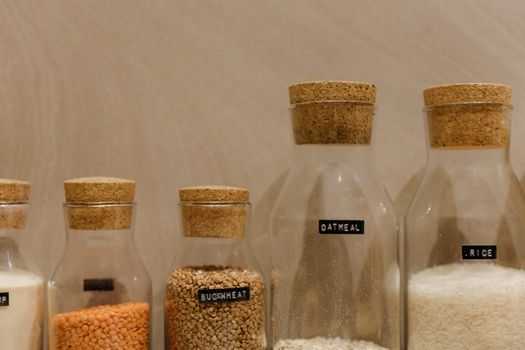
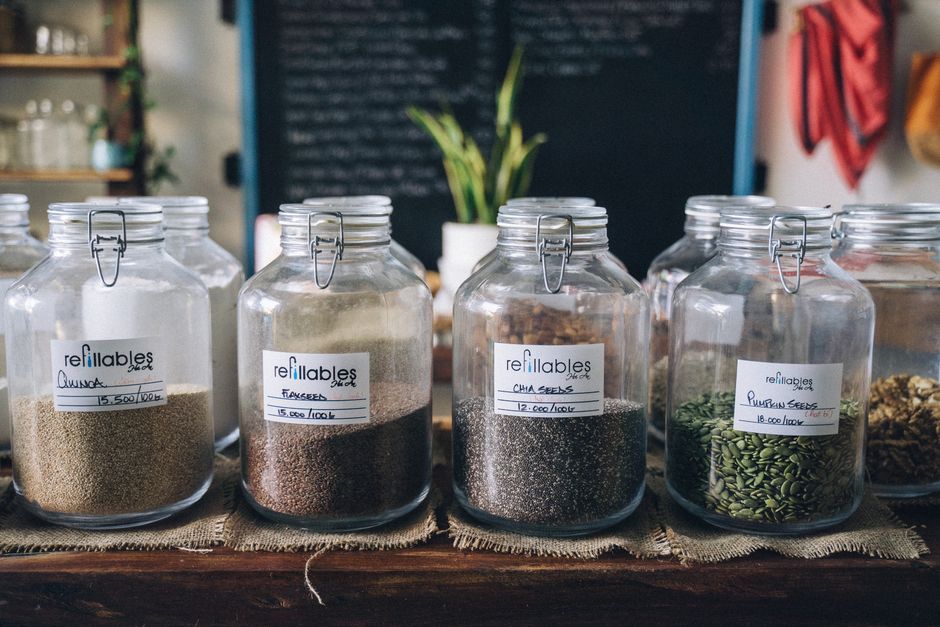
Natural Food Additives Company News: The Clean Label Shift Reshaping the Industry
The food industry is undergoing one of the most significant transformations in its modern history. Consumers are reading labels more carefully than ever before, and their purchasing decisions increasingly hinge on whether a product contains ingredients they recognize and trust. For natural food additives companies, this clean label shift represents both an enormous opportunity and a formidable challenge. In this comprehensive guide, we examine what the clean label movement means, how leading natural additive companies are responding, and what formulators, buyers, and brand owners need to know to stay competitive.
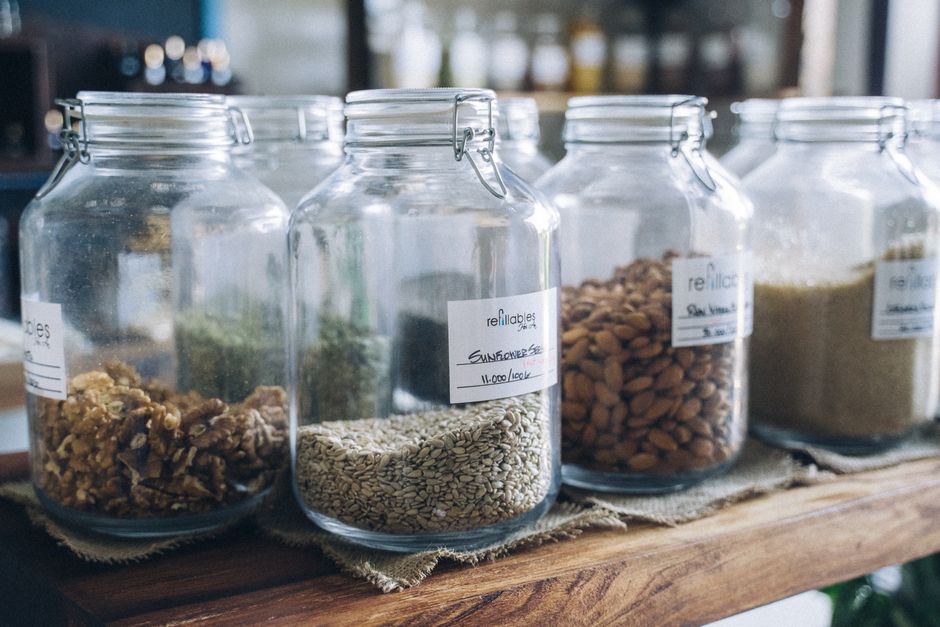
What Is the Clean Label Movement?
The term "clean label" refers to a broad consumer-driven trend favoring food products made with simple, recognizable, and minimally processed ingredients. While there is no single legal definition, clean label products generally share several characteristics:
- Short ingredient lists — fewer total additives and ingredients overall
- Recognizable names — ingredients consumers can pronounce and understand
- Natural origins — plant, mineral, or fermentation-derived rather than synthetic
- Transparency — clear sourcing and minimal "hidden" processing aids
- Free-from claims — no artificial colors, flavors, preservatives, or sweeteners
Market research consistently shows that a majority of shoppers across North America, Europe, and Asia-Pacific now actively seek out clean label products. This demand has moved from niche health-food stores into mainstream supermarkets, quick-service restaurants, and even pet food aisles.
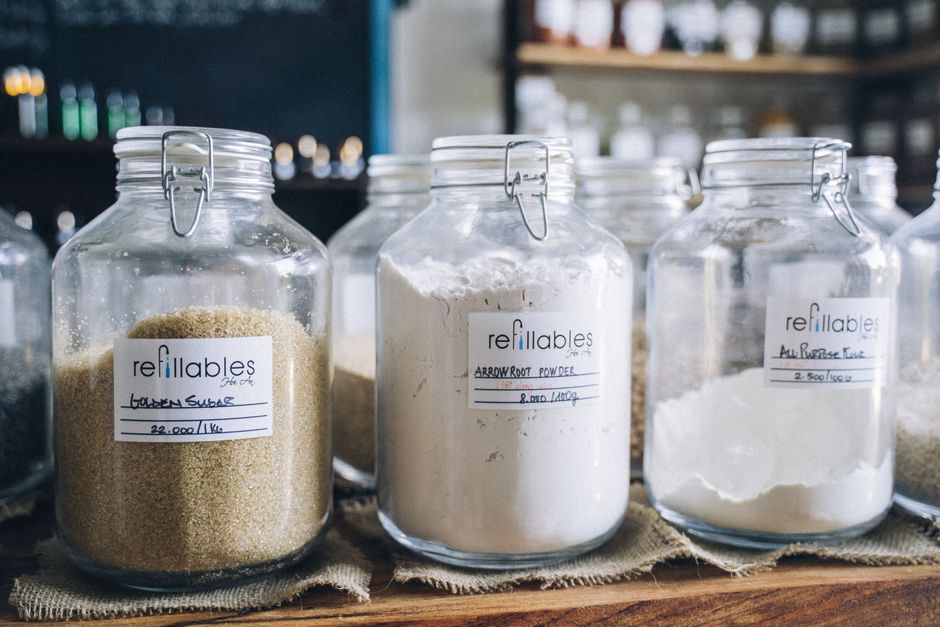
Why Natural Food Additives Companies Are Making Headlines
Recent company news from across the natural additives sector reveals a clear pattern: manufacturers are investing heavily in research, capacity expansion, and portfolio reformulation to meet clean label demand. Several key developments illustrate this shift.
1. Expansion of Natural Preservation Systems
Preservation has historically been the hardest nut to crack for clean label formulators. Synthetic preservatives such as sodium benzoate, potassium sorbate, and BHA have long been workhorses of shelf-stable foods. Natural additives companies are now commercializing alternatives including:
- Plant extracts — rosemary, green tea, and grape seed extracts rich in antioxidants
- Cultured dextrose and fermentation metabolites — effective against molds and yeasts
- Organic acids — vinegar, citric acid, and lactic acid blends
- Essential oil emulsions — oregano, thyme, and cinnamon systems
These innovations allow brands to extend shelf life without sacrificing a clean ingredient statement — a breakthrough that has driven significant partnership announcements across the sector.
2. Natural Colors Replacing Synthetic Dyes
Following regulatory scrutiny of synthetic dyes such as Red 40, Yellow 5, and Yellow 6, natural color suppliers have ramped up production of alternatives derived from fruits, vegetables, and minerals. Notable natural colorants include:
| Color | Natural Source | Common Applications |
|---|---|---|
| Red/Pink | Beetroot, anthocyanins, carmine | Beverages, confectionery, dairy |
| Yellow/Orange | Turmeric, beta-carotene, annatto | Snacks, baked goods, sauces |
| Green | Chlorophyll, spirulina | Ice cream, beverages, candy |
| Blue | Spirulina, butterfly pea | Beverages, frostings |
| Brown | Caramel (natural), cocoa | Baked goods, beverages |
Stability remains a challenge — natural colors can be sensitive to heat, light, and pH — but ongoing R&D is steadily closing the performance gap.
3. Sweetener Innovation
The clean label shift has also fueled demand for natural sweeteners. Monk fruit extract, stevia (including next-generation Reb M), allulose, and coconut sugar are increasingly replacing high-fructose corn syrup and artificial sweeteners in new product launches.
The Regulatory Landscape Driving Change
Regulation is accelerating the clean label shift. In the United States, the FDA has been reviewing the GRAS (Generally Recognized As Safe) process, while several states have moved to ban specific synthetic additives in foods. In the European Union, the precautionary principle continues to shape additive approvals, and the EFSA regularly re-evaluates permitted substances.For natural food additives companies, staying ahead of these changes is essential. Key compliance considerations include:
- Verifying GRAS status or novel food approval for new ingredients
- Maintaining robust safety documentation and toxicology data
- Ensuring accurate allergen labeling
- Meeting organic certification requirements where applicable
- Monitoring state-level and international regulatory divergence
Practical Tips for Formulators Navigating the Clean Label Shift
If you are reformulating products or sourcing natural additives, the following practical guidance can save time and reduce risk.
Start With the Ingredient Statement, Not the Formula
Work backward from the label you want to achieve. Identify which additives are essential for safety and quality, and which can be eliminated or replaced. Prioritize the "big three" — preservation, color, and flavor — as these have the greatest impact on consumer perception.
Test for Shelf Life Early
Natural preservation systems often behave differently than synthetic ones. Conduct accelerated shelf-life studies at the earliest possible stage to avoid late-stage surprises. Consider hurdle technology — combining mild preservation methods such as pH control, water activity reduction, and natural antimicrobials.
Evaluate Sensory Impact Carefully
Natural ingredients can introduce off-notes. Rosemary extract, for example, may contribute a slightly herbal flavor, while some natural colors can taste earthy. Partner with your additive supplier to select the right grade and dosage for your application.
Build Transparent Supplier Relationships
Clean label claims depend on supply chain transparency. Ask your natural food additives company for documentation on sourcing, processing methods, and certifications. Strong supplier partnerships are a competitive advantage in this space.
What This Means for the Future of Food Additives
The clean label shift is not a passing trend — it is a structural realignment of the food industry. Natural food additives companies that invest in innovation, transparency, and regulatory expertise will lead the next decade of food product development. Meanwhile, brands that delay reformulation risk losing shelf space and consumer trust.
Looking ahead, we can expect continued growth in fermentation-derived ingredients, upcycled additives from food waste streams, and precision-fermentation alternatives to animal-derived additives. Artificial intelligence is also beginning to play a role in predicting ingredient interactions and accelerating formulation work.
Conclusion: Embracing the Clean Label Future
For natural food additives companies, the clean label shift is a defining moment. The companies making headlines today are those that have embraced the challenge — investing in natural preservation, color, and sweetener technologies while maintaining rigorous safety and quality standards. For formulators and brand owners, the message is clear: start early, test thoroughly, and partner with suppliers who share your commitment to transparency.
As consumer expectations continue to evolve, the boundary between "natural" and "conventional" will blur further. Companies that treat clean label not as a marketing claim but as a core development philosophy will be best positioned to thrive in the years ahead.
In scope
Browse all Products frequently supplied with this programme
Keep reading
Other supply programmes
Food Additive Industry Trends Shaping 2025 Market
Discover the top food additive industry trends shaping the 2025 market, from clean-label demand to precision fermentation. Stay ahead—read our expert insights now.
View solutionFood Additive Manufacturer News: 2025 Industry Updates
Discover 2025 food additive manufacturer news: regulatory shifts, clean-label innovation, precision fermentation, supply chain resilience, and more. Stay ahead!
View solutionFood Additive Startup Funding News: Who Raised What
Discover the latest food additive startup funding news: who raised what, from precision fermentation to natural preservatives. Read the full breakdown now!
View solutionFood Additive Company News: Latest Industry Updates
Stay updated on the latest food additive company news, from clean-label shifts to regulatory changes. Learn practical tips to protect your supply chain today.
View solutionStart a programme like this
Send the market you sell into, the products you handle and the packing and documentation you need.