
 English
 简体中文
简体中文 Русский
 Español
 Deutsch
Supply programme
Food Preservative Company Trends & Innovations 2024
Discover the latest food preservative company trends, from clean-label solutions to smart packaging. Stay ahead with our 2024 industry insights. Read now!
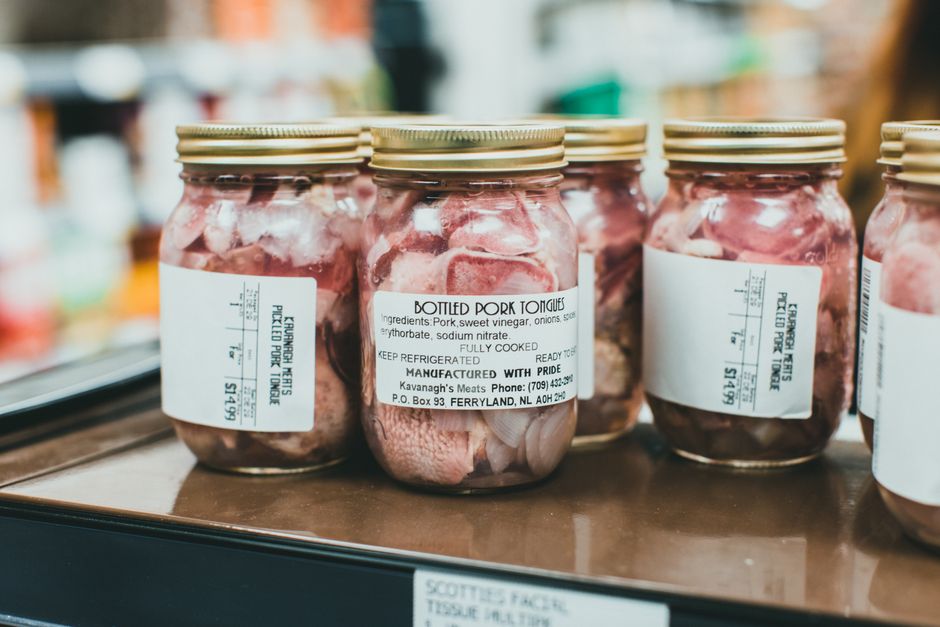
In the dynamic world of food science, preservatives play a critical role in ensuring food safety, extending shelf life, and reducing waste. As consumer demands shift toward cleaner labels and regulatory landscapes evolve, food preservative companies are constantly innovating. Here are the top 10 trends and innovations shaping the industry in 2024 and beyond.
1. Clean-Label Preservatives: The Natural Revolution
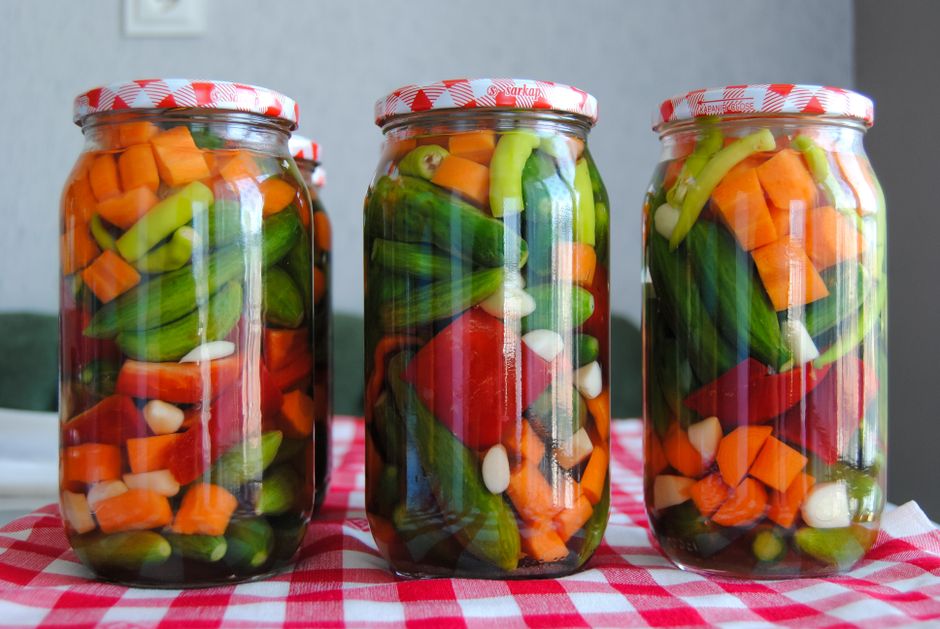
Consumers are increasingly scrutinizing ingredient lists, driving demand for preservatives perceived as natural. Companies are investing heavily in plant-derived alternatives such as rosemary extract, vinegar, and fermentation-derived antimicrobials. These clean-label options offer effective preservation without synthetic chemicals, appealing to health-conscious shoppers.
Recent innovations include cultured dextrose and celery powder, which inhibit spoilage bacteria while aligning with clean-label trends. Food preservative companies are also exploring essential oils and botanical extracts with antimicrobial properties, though challenges remain in maintaining sensory neutrality and cost-effectiveness.
2. Advanced Fermentation Technology
Fermentation is no longer just for probiotics; it's a source of powerful preservatives. Companies are harnessing precision fermentation to produce natural antimicrobial peptides and organic acids. These bio-based preservatives target specific spoilage organisms without affecting beneficial microbes or taste.
For example, fermented cane sugar produces polylysine, a natural preservative effective against gram-positive bacteria. This technology allows for scalable production and meets regulatory approvals in multiple regions, positioning fermentation as a cornerstone of future preservation strategies.
3. Smart Packaging with Antimicrobial Release
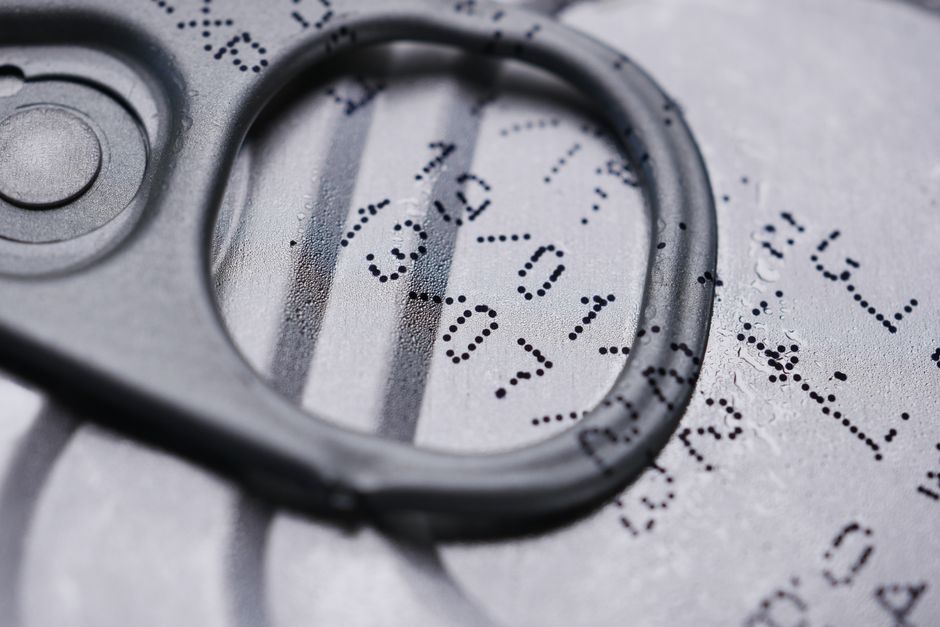
Active packaging systems that release preservatives in response to microbial growth are gaining traction. These smart solutions incorporate encapsulated antimicrobials that are triggered by moisture, temperature, or pH changes, ensuring targeted protection and extending shelf life.
Companies like PreservTech have developed films infused with nisin or natamycin that slowly release into the food surface. This reduces the overall amount of preservative needed, addressing consumer concerns about overuse while maintaining safety and quality.
4. Regulatory Shifts: Navigating Global Approvals
Regulatory bodies worldwide are updating guidelines for preservative use. The FDA and EFSA are reviewing synthetic preservatives like BHA and BHT, while fast-tracking approvals for natural alternatives. Companies must stay agile to ensure compliance across markets.
Recent updates include the EU's re-evaluation of nitrites and nitrates in processed meats, prompting reformulation efforts. In response, preservative companies are developing nitrite-free curing systems using natural sources like beetroot and celery, which maintain color and safety without synthetic additives.
5. Sustainable Sourcing and Production
Sustainability is no longer optional. Food preservative companies are adopting green chemistry principles, reducing waste, and sourcing raw materials responsibly. This includes using upcycled by-products from other industries, such as fruit peels for extracting antimicrobial compounds.
Innovations in enzymatic processes and solvent-free extraction are minimizing environmental impact. Companies are also investing in renewable energy for production facilities, aligning with corporate sustainability goals and consumer expectations for eco-friendly practices.
6. Preservatives for Plant-Based Foods
The plant-based boom presents unique preservation challenges. Meat alternatives are prone to microbial growth and oxidation, requiring tailored preservative solutions. Companies are developing blends of natural antioxidants and antimicrobials to maintain texture, flavor, and safety.
For instance, extracts from green tea and rosemary are used to prevent rancidity in plant-based burgers. Additionally, modified atmosphere packaging combined with natural preservatives extends shelf life without compromising the clean-label appeal of these products.
7. Next-Gen Synthetic Preservatives with Enhanced Safety
While natural is trending, synthetic preservatives are not going away. Innovations focus on creating safer, more effective synthetic options. For example, new formulations of sorbates and benzoates with reduced toxicity and improved stability are being developed.
Companies are also exploring synergistic blends that allow lower doses of synthetic preservatives while achieving broad-spectrum protection. This approach addresses regulatory pressures and consumer skepticism by minimizing chemical exposure.
8. Data-Driven Preservation: AI and Predictive Modeling
Artificial intelligence is transforming preservative development. Companies are using machine learning to predict microbial growth, optimize preservative combinations, and simulate shelf-life under various conditions. This accelerates R&D and reduces costly trial-and-error experiments.
Predictive models also help tailor preservative systems for specific products and distribution channels. By analyzing real-time data from supply chains, companies can adjust formulations to ensure safety from production to consumption.
9. Consumer Education and Transparency
Trust is paramount. Leading preservative companies are launching educational campaigns to demystify preservatives and highlight their role in food safety. Transparency initiatives include clear labeling, QR codes linking to detailed ingredient information, and collaborations with influencers and dietitians.
By engaging consumers directly, companies can counter misinformation and build confidence in both natural and synthetic preservatives. This trend is particularly important as social media amplifies both accurate and false information about food additives.
10. Collaborative Innovation: Partnerships and Open Innovation
No single company can tackle all challenges alone. Food preservative firms are forming strategic partnerships with startups, universities, and even competitors to drive innovation. Open innovation platforms allow sharing of research and resources, speeding up the development of breakthrough solutions.
Recent examples include joint ventures to scale up production of natural preservatives and consortiums to address regulatory hurdles collectively. These collaborations are essential for addressing global food security and sustainability goals.
As we look ahead, the food preservative industry will continue to evolve, balancing efficacy, safety, and consumer preferences. Companies that embrace these trends will be well-positioned to lead in a competitive market.
In scope
Browse all Products frequently supplied with this programme



Keep reading
Other supply programmes
Food Additive Company News: Latest Industry Updates
Stay updated on the latest food additive company news, from clean-label shifts to regulatory changes. Learn practical tips to protect your supply chain today.
View solutionFood Additive Industry Trends Shaping 2025 Market
Discover the top food additive industry trends shaping the 2025 market, from clean-label demand to precision fermentation. Stay ahead—read our expert insights now.
View solutionFood Additive Startup Funding News: Who Raised What
Discover the latest food additive startup funding news: who raised what, from precision fermentation to natural preservatives. Read the full breakdown now!
View solutionArtificial Food Color Company News: Regulatory Changes
Stay ahead of artificial food color regulations. Explore FDA, EFSA & California updates and practical compliance tips for food additive companies.
View solutionStart a programme like this
Send the market you sell into, the products you handle and the packing and documentation you need.